

Wholesale Abrasive Supplies for Industrial Grinding and Polishing Needs
2026-09-26
Ask any production supervisor what quietly eats into their budget, and abrasive rework often tops the list. The right wholesale abrasive supplies for industrial grinding and polishing don't just cut metal—they cut downtime, scrap, and guesswork. That's why more shops are moving away from one-size-fits-all catalogs and looking for suppliers who actually understand surface finish requirements. In this guide, we'll break down what separates dependable abrasives from costly compromises, and show how SHENZHEN SUN ABRASIVES fits into a smarter sourcing strategy.
Bulk Abrasive Grades That Survive Heavy-Duty Grinding
Heavy-duty grinding chews through ordinary abrasives in hours, but the right bulk grades can hold an edge through shift after shift. The key is matching grain toughness to the workpiece and pressure curve. Zirconia alumina blends, for example, keep fracturing at a controlled rate when grinding stainless steel or high-nickel alloys, exposing fresh cutting points without shedding whole grains. Ceramic alumina takes that further on hard tool steels, where its micro-crystalline structure breaks down in tiny increments, so the wheel or belt stays sharp longer and generates less heat at the contact zone.
In many shops, the real savings come from buying coarse grits in bulk with a consistent bond system rather than chasing a single “all-purpose” product. A 24 or 36 grit ceramic belt on a wide-belt sander, for instance, will outlast a standard aluminum oxide belt by a wide margin when removing mill scale or flattening flame-cut plate. The trick is not just the abrasive grain but the backing and bond: stiffer polyester backings resist tearing under high tension, while a well-chosen resin bond allows the grain to work longer before releasing. That combination turns a bulk abrasive purchase into a predictable cost-per-part instead of a constant reordering headache.
Matching Discs, Belts, and Wheels to Your Finish Requirements
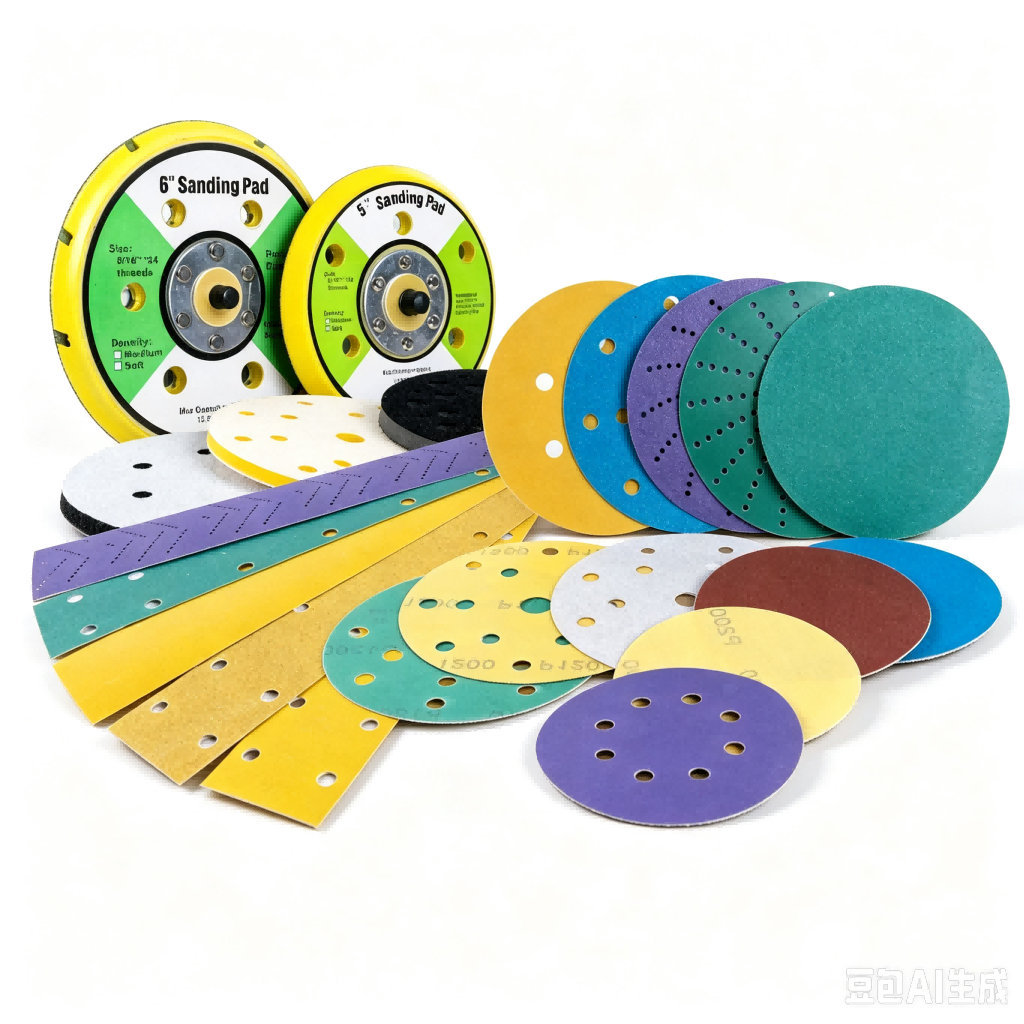
Choosing the right abrasive tool often starts with the finish you want to see on the workpiece. A coarse grit disc will remove material quickly but leave visible scratch patterns, while a fine grit belt can refine those marks into a near-mirror surface. Wheels, with their dense structure, tend to cut cooler and produce a more uniform finish on flat or contoured areas. The key is to map the tool's inherent aggressiveness to the stage of your finishing process—rough stock removal, intermediate blending, or final polishing.
Material hardness also plays a quiet but critical role. Soft metals like aluminum load up abrasive belts faster than steel, so an open-coat belt or a disc with a stearated coating can prevent clogging and keep the finish consistent. On harder alloys or tool steels, a ceramic grain wheel might outlast a standard aluminum oxide disc while maintaining a steady cut rate. Testing a small sample area first will reveal whether the chosen combination leaves a surface that matches your spec—whether that's a satin brush finish or a precise dimensional tolerance.
Don't overlook the backing and flexibility of each product. A stiff fiber disc stays flat against large flat panels, reducing the chance of gouging, whereas a flexible cloth belt wraps around curved profiles without tearing. For wheels, a softer bond grade allows fresh abrasive to expose itself under light pressure, which matters when you're chasing a fine finish rather than high stock removal. Matching these physical properties to the contour and geometry of your part is what separates a acceptable result from a truly repeatable finish.
How to Reduce Abrasive Waste on the Production Floor
Abrasive waste often starts long before the spent grit hits the floor. On many production lines, operators run belts, discs, or wheels well past their useful life because there is no clear visual cue for replacement. That habit actually increases waste: dull abrasives generate more heat, require extra passes, and shed larger amounts of broken grain. A simple fix is to set a measurable replacement threshold based on parts processed or hours of contact, not just surface finish. Pair that with tighter control of feed pressure and speed. When a grinder or sander runs at the correct speed for the material, the abrasive cuts cleanly instead of tearing or glazing, which reduces both dust and discarded media.
Another high-impact move is to capture and separate abrasive dust at the source. Instead of letting fine particles mix with floor sweepings, oil, and other debris, install dedicated collection trays or vacuum shrouds on each work cell. The collected material can often be screened and blended back into less critical operations, such as rough deburring or non-cosmetic surface prep. For larger blasting operations, using a closed-loop recycling cabinet with an air wash separator can recover up to 90% of the media that would otherwise be thrown away. The key is keeping the recovered abrasive dry and free of tramp metal, which means a quick daily check of magnets and screens is worth the time.
Finally, give operators a direct reason to care about waste. A simple log near each workstation—where they note the type of abrasive, the job number, and how many media changes occurred during a shift—makes waste visible. Review those logs weekly and ask the team what would make the abrasive last longer on the next batch. Often the best ideas come from the person swapping belts twice a shift: a different grit sequence, a revised fixture angle, or a switch to a ceramic grain that holds its edge longer. Small incentives, like a rotating "low-waste cell" recognition, shift the mindset from "just get the part done" to "get it done without throwing money into the bin."
Stocking Up on Polishing Supplies Without Overordering
It’s tempting to grab a bulk pack of every compound and pad when the prices dip, but that’s how shelves end up cluttered with products you’ll barely touch. Instead, track how much polish you actually use in a typical month, then round up just enough to cover the next eight to ten weeks. This buffer keeps you from scrambling mid-job while avoiding the trap of stocking so deep that product separates or loses its cut before you reach for it.
One practical approach is to separate your supplies into daily drivers and occasional fixes. Keep a steady but lean inventory of the compounds, pads, and microfibers you reach for on nearly every detail, and only reorder those when you’re down to about a quarter of your usual amount. For the oddball stuff—like heavy oxidation removers or specialty finishing glazes—buy the smallest viable size and replenish only when a booked job actually calls for it.
Also, pay attention to how you store what you do keep. Warm, stable temperatures and tightly sealed lids stretch the shelf life of most liquids and pastes, so you won’t feel pressured to over-purchase out of fear that things will go bad. If a deal really is too good to pass up, split the order with another detailer or mobile operator rather than hoarding it all yourself. That way you get the price break without turning your workspace into a warehouse.
What Wholesale Buyers Often Overlook in Abrasive Specs
Most wholesale buyers fixate on grit size and price, but the bonding agent often slips under the radar. A resin bond that works for light deburring may break down too fast under heat from high-pressure grinding, while a vitrified bond can shatter on thin edges. If you're not matching bond type to the actual workpiece material and speed range, you'll see inconsistent finishes and shorter tool life, regardless of what the grit chart says.
Another overlooked spec is the abrasive's friability or self-sharpening behavior. Cheap alumina grains might look identical on a data sheet, but they wear flat and generate excessive heat. Premium grains fracture in a controlled way to expose fresh cutting edges. This directly impacts cycle time and rework rates, yet buyers rarely ask for a friability index or a sample batch test.
Density and porosity also get ignored until problems appear on the shop floor. An abrasive wheel with too high a density can load up with swarf and burn the surface, while too much porosity weakens the wheel and leads to edge breakdown. Ask your supplier for a porosity grade or a cross-section inspection; otherwise you're gambling with every shipment.
A Practical Guide to Grinding and Polishing Workflow Needs
Understanding the material before touching a grinder changes everything. Soft metals smear, hard alloys chatter, and composites hide surprises beneath the surface. A quick hardness check plus a look at prior machining marks tells you whether to start at 60 grit or jump straight to 120. Skipping that step burns through discs and leaves deep scratches that resurface at the worst moment.
Dry grinding saves cleanup time but builds heat fast. Wet grinding cools the workpiece and keeps abrasive pores open, yet it demands better housekeeping to prevent rust on nearby tooling. For most shops, a hybrid works: rough with light water mist, then finish dry once the surface is flat. Keep a spray bottle within reach and a clean rag to wipe between stages—cross-contamination from stray grit causes more rework than people admit.
Polishing is not about pressing harder; it is about letting the compound do the cutting. Work in small overlapping circles at moderate speed, and change directions with each grit so old scratches vanish instead of hiding. A final pass with a soft felt wheel and a tiny amount of green compound often reveals a mirror finish that a rushed operator would miss. When the reflection stays crisp without streaks, stop—over-polishing rounds edges and costs time.
FAQ
We stock a broad range including aluminum oxide, zirconia alumina, ceramic alumina, and silicon carbide. Each is suited to different metals and workload intensities, so you can match the abrasive to your specific grinding application.
Yes. For ferrous metals, zirconia and ceramic alumina hold up well under high pressure, while silicon carbide works better on non-ferrous materials like aluminum, brass, or glass. We help buyers select the right bond and grit for the workpiece.
Absolutely. We offer wholesale quantities with tiered pricing, so larger orders for production lines or fabrication shops get better per-unit costs. You can order by the carton, pallet, or container depending on your consumption rate.
You’ll find grinding wheels, flap discs, fiber discs, sanding belts, and specialty polishing pads. We also carry surface conditioning products that blend finishing and light stock removal in one step.
Start with a coarser grit, like 36 or 60, to remove scratches or weld marks, then progress to 120, 220, or finer for a smooth finish. The exact sequence depends on the surface hardness and the final appearance you need.
Most items are designed for common arbor sizes and backings used on angle grinders, bench grinders, and orbital sanders. We list the specifications clearly, and our team can confirm compatibility before you place a bulk order.
Yes, we can send sample pieces or small trial packs for evaluation. This lets your team test cut rate, finish quality, and product life on your own equipment before committing to a larger volume.
We can help with custom grit blends, non-standard disc sizes, or specialized backings for unique applications. Just share the workpiece material, machine type, and target finish, and we’ll recommend a tailored option.
Conclusion
Heavy-duty grinding exposes weak abrasive grades quickly. A bulk purchase should be judged by how the grain fractures under pressure, not by the price per piece. Coarse alumina or zirconia blends hold up on hard alloys, while silicon carbide suits nonferrous work. Bond hardness, backing weight, and disc or belt flexibility also change whether the product cuts cleanly or loads up. Buyers often overlook these specs and end up with belts that tear at the splice or discs that glaze before the shift ends. Matching discs, belts, and wheels to the actual finish requirement prevents extra passes and keeps changeover time down.
On the production floor, waste usually comes from using the wrong grade for the task, poor storage, or running consumables past their useful life. Tracking usage by work cell shows where overordering is happening and where stockouts are likely. A practical workflow ties grinding and polishing steps together so each stage feeds the next without rework or idle machines. Instead of stocking up on guesswork, set reorder points from real consumption and keep resin-bonded items away from heat and moisture. Some buyers overstock fast-moving grits but forget that resin bonds degrade with age, so smaller, more frequent deliveries often beat a large one-time order. When specs, storage, and replenishment align, the operation carries less inventory and still keeps production moving.
Contact Us
Contact Person: Amanda Wang
Email: [email protected]
Tel/WhatsApp: +86-13602569854
Website: https://www.sunabrasives.com.cn