

Top H Beam Shot Blasting Machine Manufacturer: Expert Insights and Selection Tips
2026-08-02
When it comes to surface preparation for heavy steel structures, choosing the right H beam shot blasting machine can make all the difference. With years of hands-on experience in abrasive blasting technology, we’ve seen how the right equipment transforms productivity and coating adhesion. That’s where PuHua stands out—known for robust designs and consistent performance. In this guide, we’ll share expert insights and practical tips to help you select a machine that truly fits your workshop needs.
Why H Beam Shot Blasting Matters for Structural Integrity
The strength of any steel framework starts at the surface. When H beams come out of the rolling mill, they carry a layer of mill scale—a brittle, uneven coating formed during hot rolling. If left in place, this scale can crack under load or separate from the steel over time, creating hidden voids that invite corrosion and weaken the bond with protective coatings. Shot blasting strips away this compromised layer and reveals sound, uniform material underneath. It’s a process that does more than clean; it establishes a dependable starting point where every square inch of the beam can be trusted to perform as designed.
Beyond removing surface defects, shot blasting imparts a profile that mechanically locks coatings in place. The high-velocity impact of abrasive media creates a network of tiny peaks and valleys across the steel—raising the surface roughness to a specified anchor pattern. This texture allows primers and intumescent fireproofing to grip tightly rather than relying solely on chemical adhesion. In structures subject to vibration, thermal cycling, or flexing, that physical interlock is what keeps protective layers intact instead of peeling away. Even where welds or bolted connections will later be applied, a properly blasted surface ensures there is no contamination to compromise the joint’s long-term integrity.
The reliability of a blast-cleaned H beam also extends into inspection and lifecycle performance. Once the mill scale is gone, surface-level irregularities like laminations, slivers, or rolled-in scale become immediately visible to quality control teams. Catching these flaws before the beam enters fabrication prevents costly rework down the line. Over a building’s lifespan, the benefits continue: uniform coating adhesion reduces the risk of localized corrosion, and in seismic or high-wind zones, the entire structural system behaves more predictably when every member starts from an equivalent surface condition. In practice, skipping shot blasting is a shortcut that quietly transfers risk to the future, while doing it thoroughly gives engineers and fabricators one less variable to second-guess.
The Hallmarks of a Reliable Manufacturer
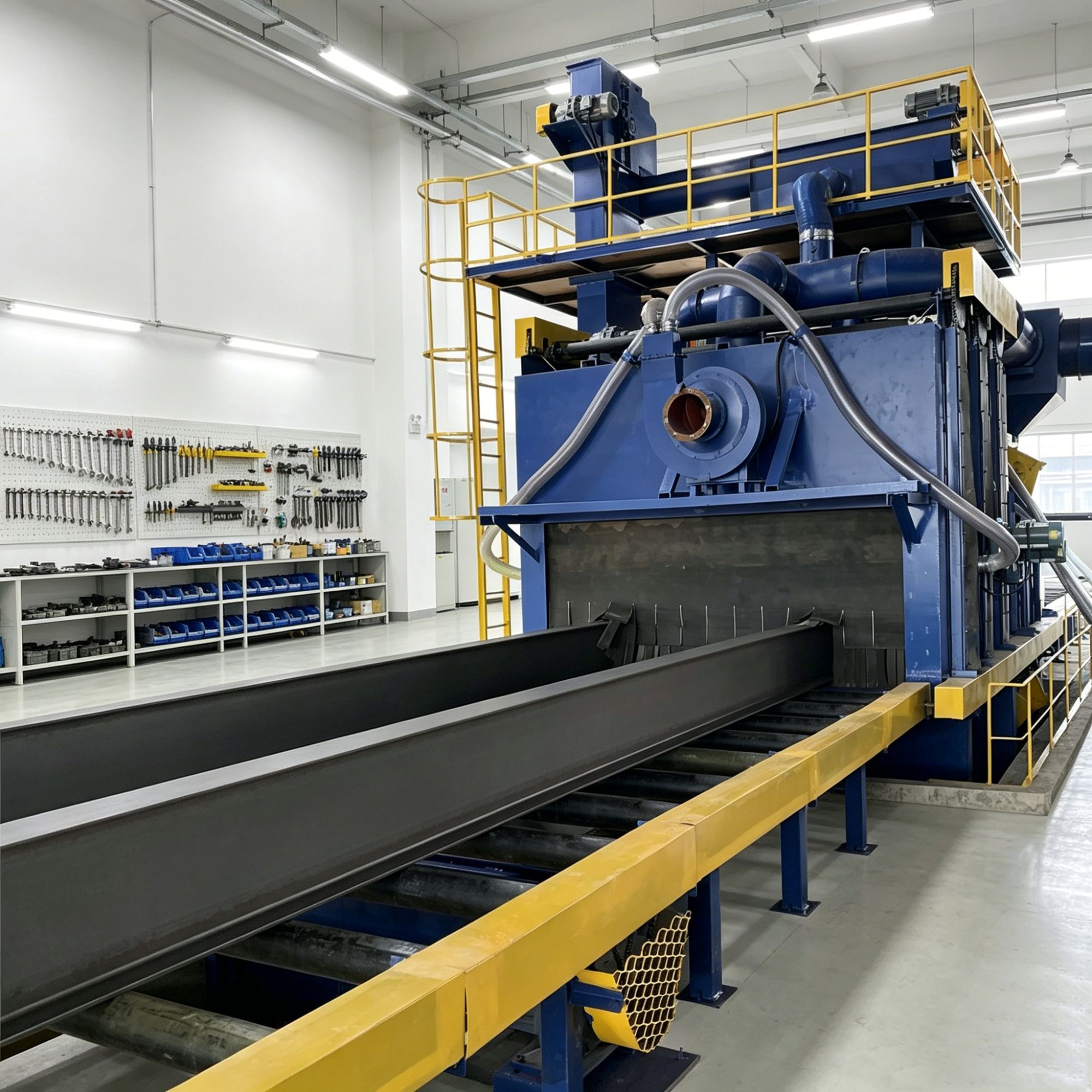
A reliable manufacturer stands out through consistent product quality. This isn't just about meeting basic specifications; it's about a deep-seated commitment to precision at every stage, from raw material sourcing to final inspection. You'll notice it in the way their products perform predictably over time, batch after batch, without unexpected failures or variations that disrupt your own processes.
Transparency in communication forms another critical pillar. Such manufacturers don't hide behind jargon or vague timelines. They proactively share updates on production status, openly discuss challenges, and provide clear, detailed documentation. This honesty extends to their capabilities and limitations, ensuring you can plan with confidence and never feel left in the dark about your orders.
Finally, genuine customer partnership defines the best in the field. Instead of a transactional relationship, they invest time in understanding your unique needs, adapt their processes to fit your requirements, and stand by their work with robust after-sales support. It's this collaborative spirit, coupled with a track record of solving problems efficiently, that transforms a supplier into a valued extension of your own team.
Assessing Machine Quality: Beyond the Spec Sheet
Numbers on paper rarely tell the full story. A machine might boast impressive horsepower or throughput in controlled tests, yet feel clumsy and underpowered on a real shop floor, especially when materials vary or operators push it near its limits. Pay attention to how it handles edge cases—thick stock, intermittent use, rapid start-stop cycles—because these reveal design deficiencies that a sterile lab environment never exposes.
Long-term value often hides in the details that no catalog page highlights. Look at the availability of replacement parts and the responsiveness of local support networks. A beautifully engineered machine becomes a liability if every minor repair means weeks of downtime while sourcing obscure components. Likewise, talk to people who have run the equipment for thousands of hours—they’ll tell you about the persistent quirks, the hidden ergonomic flaws, and whether the manufacturer stands behind its product after the check clears. Those insights matter more than any shiny performance curve.
Cost vs. Long-Term Value: A Practical Perspective
When evaluating any significant purchase, it's easy to get caught up in the immediate price tag. A cheaper option can feel like a win, especially when budgets feel stretched. But pulling back the curtain often reveals a different story—one where maintenance costs, shorter lifespans, and missed opportunities stack up quietly over time. The real question isn't just "How much do I pay now?" but "What am I actually signing up for down the road?"
Consider tools or equipment that see daily use. A low-cost alternative might need replacing twice as often, drain more power, or simply fail at the worst possible moment. The hidden expense isn't just the replacement itself—it's the downtime, the frustration, and the cascade of delays that follow. High-quality investments, on the other hand, tend to fade into the background, doing their job reliably year after year. That dependability becomes its own form of savings, one that doesn't show up on a receipt but is felt every single day.
Long-term value also shows up in unexpected ways—better performance, greater adaptability, or even the simple peace of mind that comes with knowing you won't have to wrestle with a flimsy substitute in the middle of a critical task. It's not about spending more for the sake of prestige; it's about recognizing that the true cost of ownership extends far beyond that first swipe of a card. A practical perspective means asking whether a product supports your goals or quietly works against them with every use.
Integration and Workflow Considerations
When bringing a new tool into the fold, the real test often lies in how quietly it slips into the daily rhythm of the team. It's not just about checking off a list of compatible platforms; it's about the friction that shows up when someone has to leave their primary workspace to hunt for data or when notifications start to feel like noise. The best integrations often act as a silent layer, connecting the dots without demanding constant attention, so people can stay in flow and the handoffs between systems actually make things smoother instead of slower.
Workflow design tends to matter more than feature count. A well-chosen automation can eliminate a handful of repetitive steps that eat into the morning, but only if it respects how the team actually works—not how a process map says they should. It's worth tracking where the most detours happen, where decisions stall because information is scattered, and then shaping the integration around that reality. Sometimes the most impactful change is simply bringing the right data into the interface people already have open, reducing the urge to context-switch every few minutes.
As things evolve, the way the toolset is stitched together needs room to flex. Manual overrides, fallback paths, and easy ways to tweak notification logic keep the system from becoming brittle when priorities shift. Paying attention to what people actually bypass or what gets ignored often reveals where the design needs to soften. Over time, the goal is a setup that feels less like a series of connected apps and more like a single, mostly quiet workspace where each part contributes without clamoring for the spotlight.
Insider Advice for First-Time Buyers
Walking into your first purchase can feel like learning a new language, but seasoned buyers know that the real secret is patience. Don’t let the pressure of a “hot deal” rush you into overlooking the small stuff—like testing all the outlets or checking the water pressure at odd hours. It’s those quiet details that will either make your daily life feel seamless or leave you with a long list of weekend projects you never wanted.
One thing nobody tells you is that timing your approach matters more than you think. Instead of waiting for a property to sit stale, ask your agent to dig into why it’s really on the market. Sometimes a seller’s urgency is hidden beneath the surface, and that’s where you can negotiate from a position of genuine strength without playing games. Be the person who writes a personal letter with the offer—it sounds old-school, but it still resonates in unexpected ways.
Lastly, trust your own spidey sense. If a space feels off or the numbers don’t sit right in your gut, walk away. There’s always another home, but there won’t be another version of this exact moment in your life when you have the chance to choose wisely. Lean on a trusted inspector, not just the one your agent recommends, and remember that cosmetic fixes are cheap; it’s the bones of the place you’re marrying for the long haul.
FAQ
A top manufacturer stands out through decades of hands-on engineering, a track record of delivering durable, high-speed systems, and the ability to tailor every machine to specific beam dimensions and production volumes. They invest in R&D, maintain tight quality control, and offer responsive global support—not just a sales pitch.
It mechanically removes mill scale, rust, and contaminants, creating a uniform anchor profile that dramatically boosts coating adhesion. Without this step, paint or galvanizing can fail prematurely, leading to costly rework. The process also reveals hidden surface defects before fabrication continues.
Prioritize robust abrasive delivery with multiple high-efficiency turbines positioned for full coverage, heavy-duty cabin wear liners, adjustable conveyor speeds, and intelligent dust extraction that actually keeps the work environment clean. Automation for beam entry/exit and real-time monitoring can save labor and reduce downtime.
Standard off-the-shelf machines rarely cope with wide flange variations, tall webs, or odd-shaped profiles. Custom engineering ensures the blast pattern hits every corner without excessive over-processing or missed spots. It also optimizes abrasive usage and cycle time, directly impacting your operating costs.
Look beyond glossy brochures—ask for live demonstrations or videos of similar lines in operation, check their installed base and client references, especially in your industry. Scrutinize the build materials, warranties on wear parts, and the actual availability of spare parts. A manufacturer confident in their product won't hesitate to provide these.
Shopping on price alone, neglecting dust collector capacity, ignoring the cost and frequency of maintenance, and assuming one machine fits all beam sizes are major pitfalls. Also, failing to plan for future capacity growth can lead to immediate bottlenecks. Always verify performance claims with actual throughput data.
Yes, with thoughtful design. Look for adjustable pass-through openings, variable-speed roller conveyors, and movable blast turbines that can be set to different angles and heights. The trick is a flexible mounting system and quick-change tooling that minimizes setup time between different beam specifications.
Effective dust control prevents abrasive contamination, which means the blast stream stays consistently aggressive and recycling systems work at peak performance. It also keeps airborne silica and metal dust below exposure limits, protecting workers' lungs and ensuring compliance without constant filter clogging or production halts.
Conclusion
Selecting the right H beam shot blasting machine starts with understanding why this process is critical: it removes mill scale, rust, and contaminants to create a clean, profiled surface that ensures coatings bond securely, directly impacting the long-term structural integrity of steel frameworks. A top manufacturer doesn't just sell equipment—they demonstrate deep process knowledge, offering guidance on blast pattern uniformity and abrasive selection for different beam profiles. Look for consistency in their track record, transparent communication about build materials like wear-resistant liners, and a willingness to share case studies. Don't get lost in spec sheets; visit a running machine if possible, check the turbine design and dust extraction efficiency, and talk to operators about maintenance reality, because true quality reveals itself in day-to-day reliability and the ease of replacing wear parts.
Beyond the purchase price, evaluate the total cost of ownership—energy consumption, spare parts availability, and the manufacturer's support network can make or break your budget over a decade. A slightly higher initial investment often pays back through faster cycle times and less unplanned downtime. Think about how the machine integrates into your existing workflow: loading systems, material handling, and dust collection must mesh with your shop floor without creating bottlenecks. First-time buyers frequently underestimate training needs and the value of a phased commissioning approach; insist on detailed operator instruction and start with moderate workloads to build confidence. Finally, choose a partner who sees you as a long-term client, not a one-off sale—a responsive aftersales team and local service support are invaluable when production deadlines loom.
Contact Us
Contact Person: Bruce
Email: [email protected]
Tel/WhatsApp: +86 15166629468
Website: https://www.povalchina.com/