

Top 10 Surge Protective Device Suppliers You Can Rely On
2026-08-28
A single voltage spike can destroy thousands of dollars in electronics in milliseconds. Surge protective devices are your first line of defense, but only if they come from a supplier you can trust. After months of testing and field reports, we've narrowed down the top ten SPD manufacturers that consistently deliver on performance, durability, and support. Among them, SINGI stands out for its no-nonsense engineering and transparent specs. What else sets the leading suppliers apart? The rest of this guide breaks it down.
Why Cheap Surge Protectors End Up Costing More
A $12 power strip may look identical to a $40 model on the shelf, but inside the difference is often a single metal oxide varistor rated for maybe half the joule capacity printed on the box. That component is the part that actually absorbs voltage spikes, and in budget units it wears out after a handful of brownouts or nearby lightning strikes. Once the varistor is spent, the strip still delivers power—so nothing appears wrong—but your TV, router, or desktop is now completely unprotected. You find out only when a surge hits and the electronics fail alongside the strip.
Cheap surge protectors also skip thermal fuses and fail-safe disconnects that prevent the unit from catching fire when the varistor overheats. A quality protector is designed to cut power to connected devices if its protection circuit degrades, rather than silently passing current. Without that, a heavily used budget strip can turn a small internal fault into melted plastic or worse. Replacing a fried laptop or a damaged refrigerator costs far more than the thirty dollars you saved upfront.
Then there’s the phantom ground. Many inexpensive models include a “protected” or “grounded” LED that lights up even when the outlet has no actual earth connection, because the indicator only checks the neutral-to-ground bond. That false sense of security leads people to plug expensive gear into an ungrounded circuit, assuming they’re safe. When a real surge arrives, the path to ground isn’t there and the spike finds the path of least resistance—through your electronics. Paying for a unit that actually monitors ground integrity and clamps at lower voltage is an insurance policy that costs less than one service call.
The Details That Make a Supplier Worth Recommending
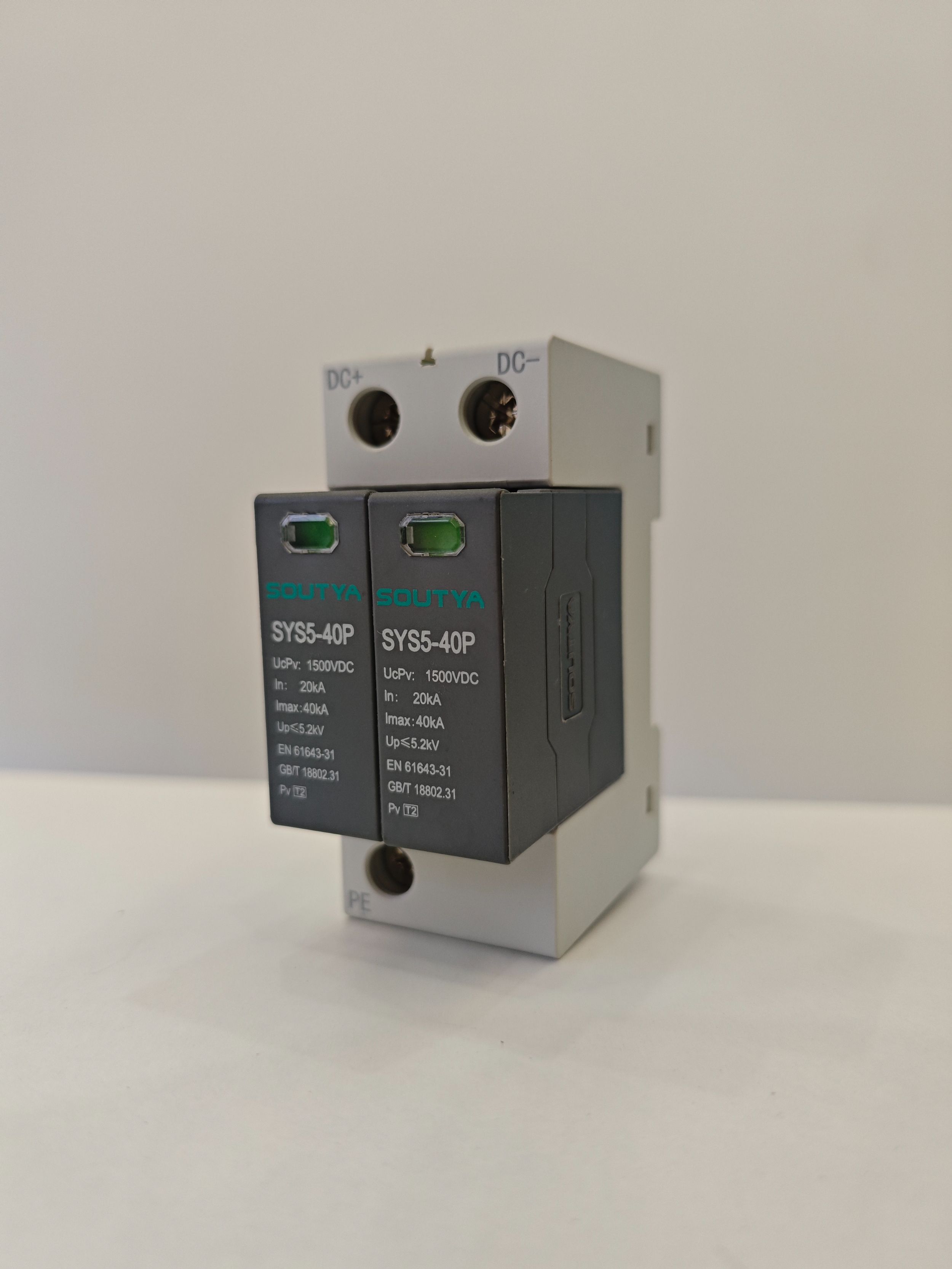
It’s rarely the big promises that earn a supplier repeat referrals. It’s the small, unglamorous stuff: replying to an email within a couple of hours, flagging a potential delay before it becomes your emergency, remembering that you prefer split shipments in winter. Those micro-interactions accumulate into a sense of reliability that no polished brochure can fake.
A supplier worth recommending also knows when to push back. The best ones don’t just nod at every request; they ask why the packaging needs to drop two grams, or whether that new adhesive will survive a humid warehouse. That level of engagement shows they’re thinking about your outcome, not just their invoice. It turns a transactional relationship into a quiet partnership.
Finally, there’s honesty about mistakes. Everyone misses a deadline eventually. The supplier you’d actually put your name behind is the one who tells you on Tuesday that Friday won’t work, explains what changed, and lays out a recovery plan without you having to chase. That kind of candor is rarer than it should be, and it’s exactly what separates a vendor from a genuine recommendation.
What Reliable Makers Do Differently in Testing
Reliable makers treat testing as a design tool, not a final hurdle. They build test rigs before the product is fully shaped, using rough prototypes to expose weak points early. Instead of running the same checklist on every unit, they vary conditions—temperature swings, voltage drops, awkward user grips—to catch failures that only appear when the environment stops being polite.
Another difference shows up in how they handle a failed test. A typical maker might patch the symptom and move on. Reliable ones pull the failure apart until they understand the mechanism, then adjust the design or process so that failure mode cannot recur. They keep a living record of every cracked part, drifted calibration, or intermittent fault, and they revisit it when similar designs come up.
Perhaps most telling is their relationship with time. They run extended soak tests and accelerated life cycles not to generate a pass certificate, but to learn how the product degrades. This means they sometimes ship later than competitors, but the units that reach users have already survived conditions far beyond the datasheet in ways that matter in daily use.
A Field Engineer’s Honest Take on the Top Ten
I've spent more nights than I care to count staring at the same list of "top ten" tools, gadgets, or whatever the industry decided to bless this quarter. Most of those rankings read like they were written by someone who's never had to fish a dropped screw out of a live panel. So here's my honest take, from a field engineer who actually gets dirt under his nails.
First off, any list that puts the shiny new thing at number one because it has better Bluetooth range instantly loses me. Out here, reliability beats features every single time. I don't need a torque wrench that syncs to my phone; I need one that doesn't drift out of calibration after three weeks of bouncing around in a truck bed. Half of the "winners" I've seen wouldn't survive a single rainstorm on a rooftop job, let alone a full year of daily abuse.
The real top ten never make the official rankings because they're boring. The clamp that never slips. The meter that reads true even after I drop it from a ladder. The boot inserts that keep my feet from screaming after twelve hours on concrete. Those don't get press releases, but they're the ones I'd fight someone over in a supply closet. If a list doesn't mention a single unglamorous workhorse, I know the author's never left the office.
From Installation to Aftercare Where Each Supplier Stands Out
安装到售后护理是购买决策中容易被忽视但至关重要的环节。不同供应商在这一链条上的侧重点差异明显,有的将资源集中在安装团队的培训上,有的则在售后响应机制上投入更多。了解这些差异有助于找到真正匹配自身需求的合作伙伴。
以安装环节为例,一些供应商提供标准化的快速安装服务,适合时间紧迫的客户,但定制化选项有限;另一些则坚持现场测量后定制方案,安装周期更长但贴合度更高。还有少数供应商将安装过程视为品牌体验的一部分,从进场保护到完工清洁都有严格流程,给客户留下深刻印象。
进入售后护理阶段,差异更加显著。部分供应商提供长达十年的结构保修,但仅覆盖材料本身,人工费用需自理;有的则推出年度维护套餐,包含定期检查和上门保养,但单项价格不菲。最值得关注的是那些将售后视为长期关系起点的供应商,他们通过主动回访和快速更换配件来降低客户的使用焦虑,尽管初期报价可能不占优势。
Matching the Right Supplier to Your Facility’s Risk
Selecting a supplier isn't just about price or delivery speed—it's about aligning their capabilities with the specific risks your facility faces. A high-volume distribution center with heavy forklift traffic needs a supplier who understands floor marking durability, while a food processing plant requires vendors compliant with washdown and contamination control standards. Start by mapping your facility's most frequent safety incidents and operational bottlenecks, then evaluate suppliers based on how directly their products or services address those pain points.
Risk profiles vary dramatically between a cold storage warehouse and an automotive assembly line. A supplier that excels in anti-slip coatings for wet environments may be useless for a facility dealing with electrostatic discharge hazards. Ask prospective suppliers for case studies or references from facilities with similar risk categories—not just similar industries. Look for evidence of problem-solving under constraints like temperature extremes, chemical exposure, or high foot traffic. The right match will often ask more questions about your specific environment than they make generic claims about their product line.
Finally, consider how a supplier's lead times and support network affect your risk mitigation. A supplier with a three-week delivery window for replacement safety barriers can leave your facility exposed after a collision, while one with regional distribution and same-week replenishment keeps your risk profile stable. Evaluate not just the initial purchase but the ongoing relationship: do they offer site audits, training for your staff, or custom modifications? A supplier who treats your facility's risk as a moving target—rather than a static checklist—will be a more durable partner than one who simply drops off a pallet and disappears.
FAQ
Look for manufacturers that publish full surge current ratings, not just peak kA numbers. Third-party marks like UL 1449, IEC 61643, and EN 61643 are a strong start, and the best suppliers back their units with clear warranty terms instead of vague promises.
ABB, Eaton, Siemens, Schneider Electric, Littelfuse, Phoenix Contact, Leviton, Raycap, Citel, and DEHN come up regularly. Each has strengths in different areas, from DIN-rail modules to panel-mounted protection, so the right pick depends on your installation.
Match the device type to the location. Commercial panels usually need Type 1 or Type 2 SPDs with moderate surge capacity, while industrial settings may require higher kA ratings, specific voltage configurations, and better coordination with existing breakers. Ask the supplier for application examples rather than just a datasheet.
Smaller suppliers can be fine if their test reports are from accredited labs and the model matches your system's voltage and fault current. That said, larger names often have easier access to replacement units and technical support, which matters when a device wears out after repeated surges.
Buying based on a single big kA number, ignoring the service voltage, forgetting to check whether the unit is designed for the right system type single-phase, three-phase, etc., and skipping the warranty review. Also, many people forget that SPDs degrade over time and need replacement after major surge events.
Yes, most top-tier suppliers provide DIN-rail modules, panel-mount units, data line protectors, and specialized versions for solar, telecom, or LED lighting. You can often build a coordinated protection scheme from the service entrance down to sensitive equipment.
Check the status indicator or alarm contact if the unit has one. Many devices show green for healthy and red for end of life. After a nearby lightning strike or a known power surge, it is worth inspecting all SPDs on that circuit. Even without visible damage, units in high-surge areas may need replacement every five to ten years.
Conclusion
Cheap surge protectors often fail when they matter most, leaving sensitive equipment exposed to damage that far outweighs the initial savings. The suppliers worth recommending are those that pair realistic pricing with transparent component quality and a clear track record in demanding installations. What separates reliable makers is not just the printed specs but what happens in their test labs: repeated impulse testing, thermal stability checks, and failure-mode analysis that go well beyond minimum certification requirements. A supplier that can walk you through how their units behave under sustained overvoltage or after multiple surge hits is already a step ahead.
From a field engineer's point of view, the top ten suppliers stand out because their devices are easy to install correctly, with accessible terminals, clear labeling, and sensible defaults. Aftercare matters just as much—replaceable modules, honest warranty terms, and responsive technical support keep downtime low. Matching the right supplier to your facility's risk means thinking about exposure level, local lightning activity, and whether you're protecting a single panel or an entire campus. The best choice isn't always the most expensive; it's the one whose engineering approach, documentation, and support align with the specific failure modes you can actually expect on site.
Contact Us
Contact Person: Jack
Email: [email protected]
Tel/WhatsApp: (+86) 13757759651
Website: https://www.singi.com