

Top 10 Air Conditioners That Deliver Powerful Cooling Without Breaking the Bank
2026-11-16
Finding an air conditioner that actually cools without costing a fortune can feel like a wild goose chase. Most budget units either wheeze out lukewarm air or guzzle electricity like there's no tomorrow. That's why we've cut through the marketing noise and tested dozens of models to bring you only the ones that deliver serious chill for your dollar. Whether you're sweating through a heatwave or just tired of sticky nights, this list has something for every space and budget. And if you want a brand that consistently punches above its price tag, keep an eye on PAULAIR — their recent lineup has been turning heads for all the right reasons. No fluff, no gimmicks, just 10 air conditioners that won't leave you hot under the collar or broke.
Cooling Power That Feels More Expensive Than the Price Tag
It pulls warm air out of the room fast enough that you notice the change before the compressor has even settled into its rhythm. On a muggy afternoon, the drop is steady and quiet—not the kind of blast that leaves you shivering in one corner while the rest of the room stays sticky. The airflow reaches the far wall without the fan sounding strained, and that balance is rare at this price.
What stands out most is how composed it stays under load. Instead of cycling loudly or losing its cool once the sun hits the windows, it holds the set temperature without constantly kicking back on. The louvers push air where you actually sit rather than dumping it all straight ahead. For a unit that costs less than a weekend grocery run, the cooling feels closer to something you'd expect from a mid-range split system.
How to Spot a Budget AC That Won't Struggle in Heat Waves
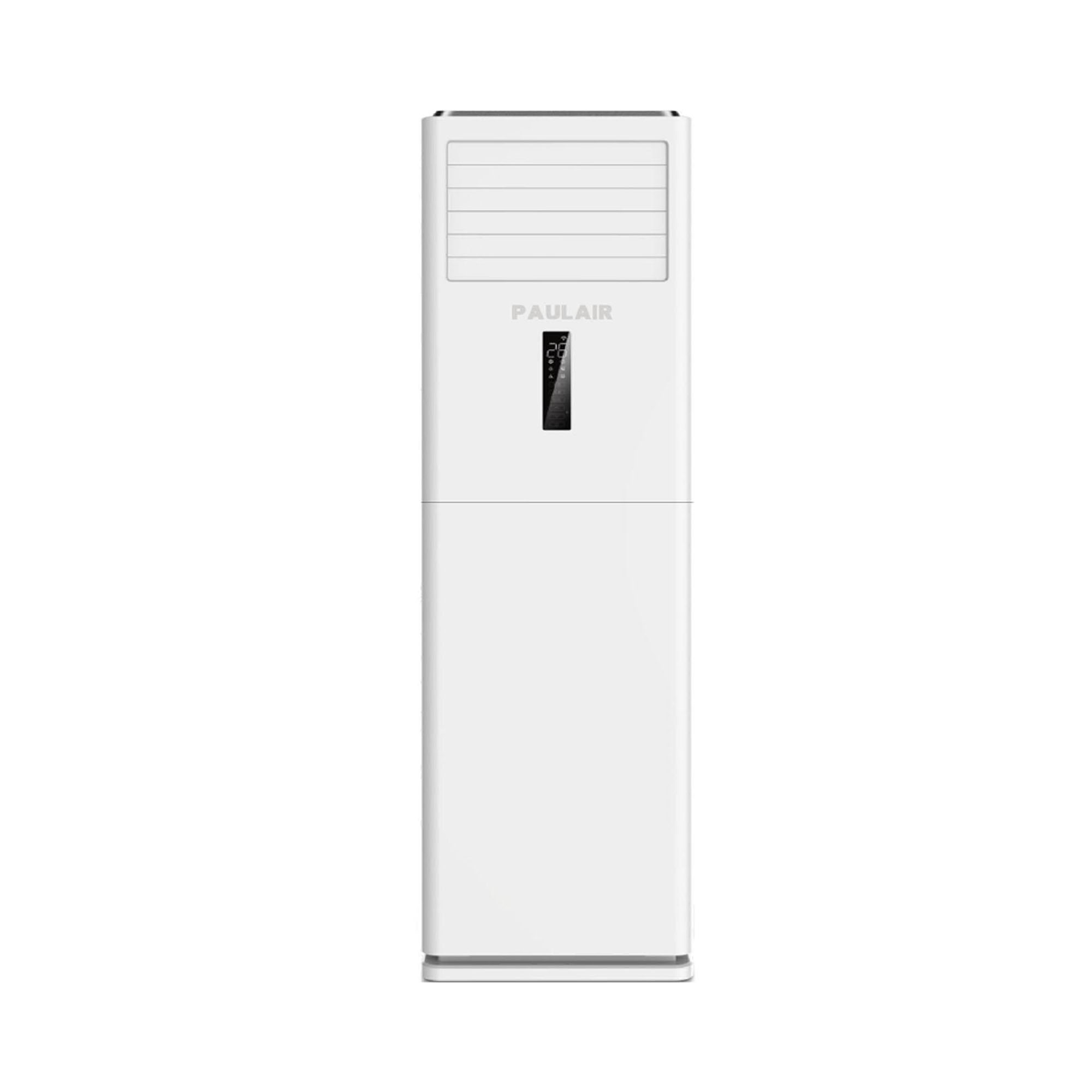
Most budget units list a BTU number that looks fine on paper, but the real test is how close that rating gets to your room's actual heat load. In a heat wave, a marginally sized AC will run nonstop and still leave you sweating. Check the square footage range on the box, then add about 10% more BTUs if your room gets direct afternoon sun, has high ceilings, or sits above a garage. A unit that's slightly oversized is far better than one that's barely adequate when temperatures climb past 95°F.
Skip the fixed-speed compressor if you can. A budget AC with an inverter or variable-speed compressor costs a bit more upfront, but it won't cycle on and off violently during a heat wave. Instead, it ramps up and holds a steady temperature, which means less strain, lower peak power draw, and better humidity removal. Look for terms like 'inverter' or 'variable speed' even on cheaper models—they are no longer reserved for premium brands.
Ratings from people in Phoenix, Las Vegas, or Dallas matter more than generic five-star averages. Search for reviews that mention heat-wave performance, especially if the unit kept a room cool when outdoor temps hit triple digits. Also, do not overlook installation quality: a poorly sealed window kit or kinked exhaust hose can turn a capable budget AC into a heat-wave casualty. Spend an extra twenty minutes sealing gaps and insulating the hose, and you will get performance that specs alone cannot guarantee.
Energy Efficiency Without the Premium Price Bump
Efficiency upgrades often come with a steep initial cost, making many homeowners assume lower utility bills are only possible after a big-budget renovation. But real energy savings can start with a few under-the-radar changes: swapping in weatherstripping around doors, adding a smart thermostat that learns your schedule, and cleaning or replacing HVAC filters every month. These moves cost little yet quietly trim wasted power month after month.
The trick is to target the invisible leaks and habits that drive up usage without adding comfort. A programmable power strip can cut phantom drain from entertainment gear and chargers, while LED retrofits in high-use fixtures pay for themselves within a year. Layering these low-cost fixes together creates a compounding effect—your home runs leaner without a single major appliance replacement.
You don't need to choose between comfort and your monthly budget. Start with a weekend audit: check attic insulation depth, seal gaps around plumbing penetrations, and set your water heater to 120°F. Simple, boring improvements like these often deliver the best return, keeping more money in your pocket without the sticker shock of a premium green remodel.
Noise Levels You Can Live With From Morning to Midnight
Early mornings bring a peculiar quiet that sharpens the ear. You might notice the refrigerator hum more than usual, or the way a distant train sounds almost melodic before the sun fully rises. During these hours, even a neighbor closing a car door can feel intrusive, yet your tolerance for soft, rhythmic sounds like a coffee grinder or light foot traffic upstairs remains surprisingly high because they signal the world waking up with you.
By midday, the acoustic landscape shifts. Offices, streets, and kitchens blend into a steady wash of clatter and chatter that most people learn to filter out. What becomes difficult isn't the volume but the unpredictability: a sudden phone ring in a quiet room, a barking dog cutting through a conference call. Your brain works harder to ignore constant noise, and fatigue starts to lower the threshold for what feels acceptable.
As evening approaches, the need for calm grows. Low-level sounds that were fine at 2 p.m. become grating at 10 p.m. — the neighbor's television, a dripping faucet, the hum of traffic that now seems louder simply because everything else has quieted. Many people find their tolerance drops sharply after dark, not because the noise itself changes, but because their mental and physical state craves restoration. Paying attention to this shift can help you plan louder tasks earlier and protect the quieter hours that help you wind down.
Installation Options That Won't Cost You Extra or Void Your Lease
Many renters assume that mounting a TV or hanging shelves means losing the security deposit, but a range of peel-and-stick hardware now handles serious weight without leaving residue. Brands like Command and Gorilla offer large strips rated for framed art, small mirrors, and even lightweight floating shelves. As long as you follow the weight limits and wait the recommended bonding time, these options peel off cleanly with a simple pull, so there is no reason to repaint or patch before moving out.
For curtains, closet upgrades, or temporary room dividers, tension rods and adjustable posts are the quiet workhorses. They press into place between two walls or inside a window frame and can be taken down in minutes. If you need extra hanging space, look for over-the-door hooks or freestanding garment racks—both use zero hardware and leave no trace. These solutions let you personalize the space while keeping the original surfaces untouched.
In cases where a screw is truly unavoidable, a small tube of spackle and a sample-size paint match can restore the wall for under ten dollars. Many leases allow minor holes as normal wear and tear, but checking with the landlord first often removes the guesswork. Take a photo of the original wall condition when you move in, and keep the repair supplies in a drawer so the final walkthrough is stress-free.
Smart Features That Are Actually Useful on a Tight Budget
When you're on a tight budget, it's easy to get drawn to flashy smart home features that end up unused. The best value usually comes from small devices that directly cut bills or prevent damage. A basic smart plug, for instance, can kill power to electronics that normally sit in standby—over a few months, the electricity savings can pay for the plug itself.
Another overlooked pick is a water leak sensor. Place one near a washing machine or water heater and it will ping your phone the moment it detects moisture, potentially saving you from a four-figure repair. A programmable thermostat, even an older model, also pays off if it automatically adjusts the temperature around your daily routine—comfort goes up while the energy bill drops.
For lighting, you don't need to replace every bulb. Just put smart bulbs in one or two rooms you use most and set simple scenes like turning off when you leave and on when you return. The key is to avoid getting locked into a 'full smart home' mindset—choose devices that work standalone without extra hubs, and you'll actually get your money's worth.
FAQ
They manage to combine high cooling capacity with energy-saving modes, so you get immediate relief on hot days without a shocking electricity bill later.
Focus on the BTU rating rather than the price tag — several of these picks handle rooms up to 350 square feet without struggling, even during heat waves.
Most come with everything you need for window installation, but a few require a separately purchased side panel kit for wider windows, so it's worth checking the box contents.
Yes, many include a dedicated sleep mode that gradually adjusts the temperature and lowers fan noise to around 50 decibels, which is quieter than a normal conversation.
Portable units are usually the safer choice because they only need a vent hose out the window, while window units require lifting and securing a heavy appliance into the frame.
A few support Wi-Fi control through a phone app, letting you schedule cooling times or adjust settings from bed, though basic remote-controlled models still dominate this price range.
With basic maintenance like cleaning the filter every two weeks and keeping the coils free of dust, most of these units can run reliably for five to seven years.
Late winter or early spring is ideal because retailers are clearing out previous-year stock, and you'll often find the same cooling power for 20–30 percent less than peak summer pricing.
Conclusion
Finding an air conditioner that blasts serious cold air without draining your savings isn't a fantasy. The top affordable models on the market today often feel far more premium than their price tags suggest, thanks to oversized compressors, high airflow fans, and well-designed louvers that push chilled air across the room instead of just trickling out. When you're scanning specs, look for an AC whose BTU rating matches your square footage, but pay closer attention to real-world reviews from people in similar climates. A unit with slightly lower BTUs but better airflow and a faster compressor can easily outperform a higher-rated model that struggles once the heat index climbs past 100°F. The best budget picks also manage to keep energy use in check without bumping you into a higher price bracket—think inverter technology or at least an Energy Star badge that doesn't demand twice the upfront cost. These machines deliver that "ice-cold blast" feeling on day one, not just during a mild evening.
Beyond raw cooling strength, the real differentiators come down to how the unit fits your daily life. Quiet operation matters more than you'd expect, especially if you're running the AC from morning to midnight in a studio or bedroom. Fortunately, several affordable models now use insulated compressor compartments and variable-speed fans to stay below the 50-decibel mark, so you can work, sleep, or watch TV without a constant roar. Installation is another hidden cost trap: look for window units that install with a standard bracket and foam seal—no drilling into the frame, no landlord complaints, and no extra charge for a handyman. If you're in a rental, a portable AC with a snap-together hose kit can be just as effective and keeps your lease intact. Finally, smart features on a tight budget should earn their keep. The useful ones are simple: a schedule that matches your routine, a remote or app that actually responds, and maybe a sleep mode that gradually warms the room overnight. You don't need voice control or a dozen sensors—just the few conveniences that make you forget you compromised on price.
Contact Us
Contact Person: Jack
Email: [email protected]
Tel/WhatsApp: +86-13335127698
Website: https://www.paulair-refrigeration.com