
Solar Flat Roof Mounting Systems: Chinese Innovations for Concrete Roofs
2026-02-02
Imagine harnessing the power of the sun on your concrete rooftop—turning an often-underutilized space into a clean energy powerhouse. This blog delves into the innovative world of solar flat roof mounting systems, with a special focus on groundbreaking Chinese technologies that are transforming concrete roofs worldwide. As urban areas expand and energy demands rise, these systems offer a seamless, efficient solution for maximizing solar potential in compact, built environments. They’re not just about installation; they’re about rethinking how we integrate renewable energy into everyday architecture. At Energet Solar, we’re passionate about connecting global communities with cutting-edge solar solutions. Join us as we explore how these innovations are shaping a greener future, and discover what sets them apart in a crowded market. Get ready to be inspired—your journey into smarter, sustainable energy starts here.
Introduction to Solar Flat Roof Mounting Innovations in China
In recent years, China has rapidly emerged as a leader in the solar energy sector, with significant advancements in flat roof mounting technologies driving adoption across residential and commercial buildings. Innovations such as ballasted systems, which use weights instead of roof penetrations, have gained popularity for their ease of installation and minimal structural impact. Additionally, the development of adjustable tilt mounts allows users to optimize panel angles for seasonal sun exposure, enhancing energy output without compromising roof integrity. These advancements are often supported by lightweight, corrosion-resistant materials like aluminum alloys, making them durable and cost-effective in diverse climates. As a result, Chinese manufacturers are increasingly exporting these solutions globally, contributing to broader renewable energy goals.
Another key innovation is the integration of smart monitoring systems into flat roof mounts, enabling real-time tracking of performance metrics and predictive maintenance. This technology, combined with modular designs that simplify expansion or reconfiguration, has made solar installations more accessible and efficient for urban areas with limited space. Government incentives and supportive policies have further accelerated adoption, fostering a competitive market where companies continuously refine designs for better wind resistance and snow load management. These efforts not only boost energy production but also address common concerns about safety and aesthetics, encouraging more property owners to embrace solar power.
Looking ahead, research into hybrid systems that combine solar panels with green roofs or rain harvesting features is gaining traction in China, offering multifunctional benefits for sustainability. By leveraging advanced engineering and local manufacturing capabilities, the industry is poised to set new standards in efficiency and environmental impact reduction. This progress reflects a broader shift towards innovative, user-centric solutions that prioritize long-term reliability and adaptability, positioning China at the forefront of global solar flat roof mounting developments.
Design Features for Concrete Roof Applications
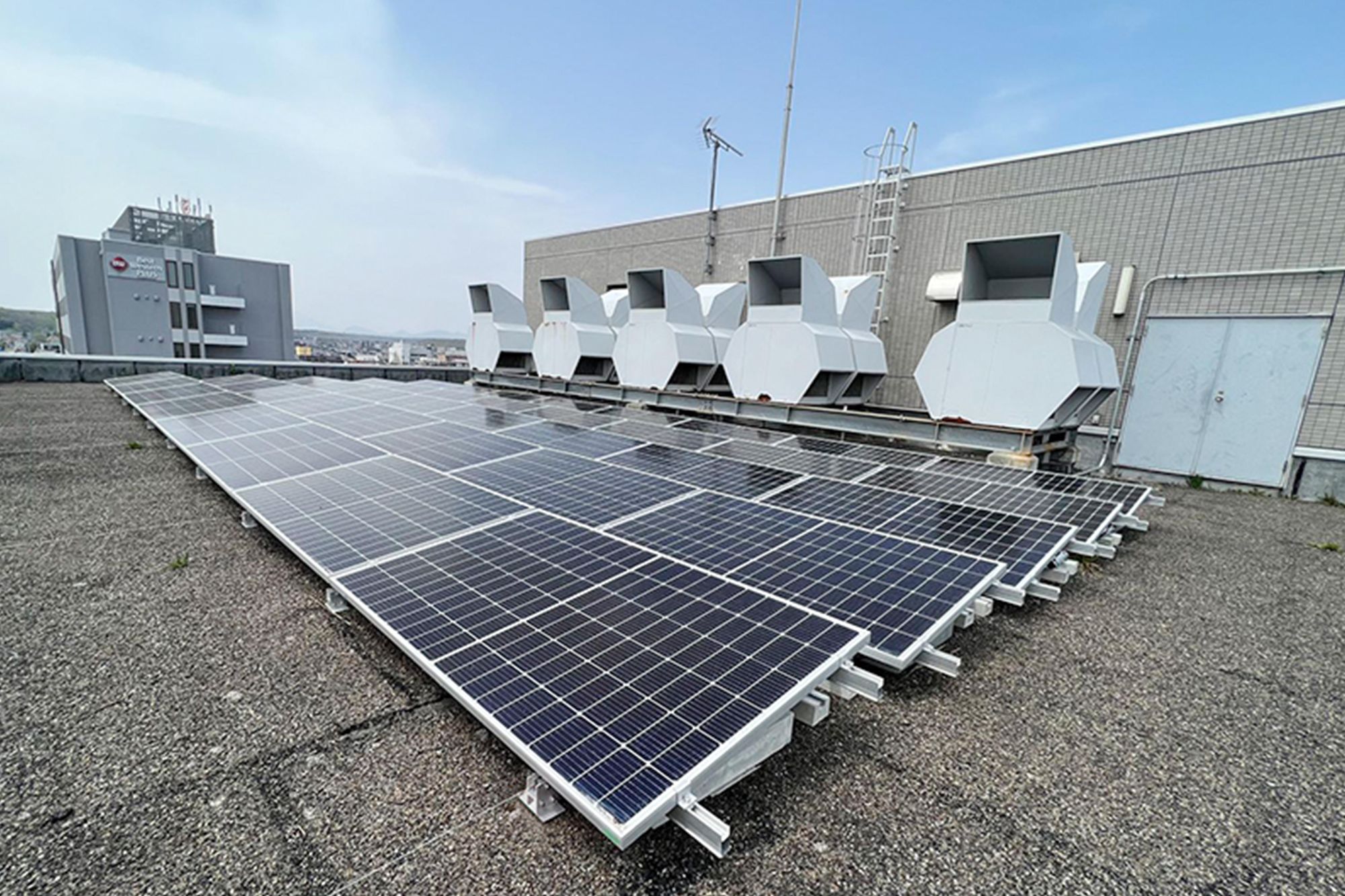
Concrete roofs offer unparalleled durability and fire resistance, making them ideal for harsh climates or urban settings where safety is paramount. Their thermal mass helps regulate indoor temperatures, reducing energy costs by absorbing heat during the day and releasing it at night. With customizable finishes and colors, they can seamlessly blend into both modern and traditional architectural styles.
Innovations in lightweight concrete mixes have expanded design possibilities, allowing for slimmer profiles and intricate shapes without compromising structural integrity. Integrated drainage systems and waterproofing membranes prevent leaks, while options like green roofing can be incorporated to enhance sustainability. These features ensure long-term performance with minimal maintenance, appealing to builders seeking cost-effective solutions.
Beyond functionality, concrete roofs support acoustic insulation, creating quieter indoor environments in noisy areas. They also provide a stable base for solar panel installations or rooftop gardens, adding versatility to residential and commercial projects. By combining aesthetic flexibility with robust engineering, concrete roofs deliver a practical yet elegant choice for diverse applications.
Durability and Weather Resistance in Chinese Systems
When it comes to durability and weather resistance, Chinese systems have carved a distinct niche by blending age-old techniques with modern innovation. From the bustling factories of Guangdong to research labs in Shanghai, there's a relentless focus on creating products that withstand harsh conditions—be it scorching heat, torrential rain, or freezing cold. This isn't just about adding a few extra seals; it's rooted in a philosophy where longevity is prized, often drawing from traditional practices like using resilient materials such as bamboo or ceramics, now enhanced through advanced polymer sciences. The result? Systems that don't just meet international standards but often exceed them, tailored to diverse climates from the humid tropics of the south to the arid north.
Look closer, and you'll see how weather resistance is woven into the very fabric of these systems. For instance, in telecommunications and solar energy sectors, components undergo rigorous testing in simulated environments that mimic everything from typhoons to sandstorms, ensuring they can handle real-world extremes without faltering. It's this meticulous attention to detail—like corrosion-resistant coatings and waterproof connectors—that allows these systems to maintain performance over years of exposure. What sets Chinese approaches apart is their adaptability; manufacturers often customize solutions for specific regional challenges, whether it's salt spray in coastal areas or UV degradation in high-altitude regions, making durability a dynamic, context-aware feature rather than a static checkbox.
Beyond the technical specs, the success of these systems hinges on a culture of continuous improvement. Through feedback loops from users in demanding environments, companies refine designs, leading to innovations like self-healing materials or modular parts that are easy to replace in the field. This pragmatic approach ensures that durability isn't just an initial selling point but a sustained advantage, fostering trust among global clients who rely on Chinese systems in everything from infrastructure projects to everyday consumer goods. In essence, it's a testament to how resilience has become a hallmark of modern Chinese engineering, quietly shaping industries worldwide.
Customization Options for Varied Roof Configurations
Roof configurations aren't just about style; they're about tailoring solutions to match your home's unique needs and local conditions. Whether you're dealing with steep slopes or a flat expanse, we offer a range of customization options that let you pick materials, colors, and designs that enhance both functionality and curb appeal. From classic asphalt shingles to modern metal panels, each choice can influence energy efficiency and durability, ensuring your roof stands up to weather challenges while reflecting your personal taste.
Think beyond the basics with advanced features like integrated solar panels or green roofing systems, which transform your roof into an eco-friendly asset. We help you navigate options such as ventilation setups and insulation upgrades, crucial for maintaining indoor comfort and reducing energy bills. Our process involves assessing your property's specifics—like sun exposure and wind patterns—to recommend configurations that optimize performance without compromising on aesthetics, making every roof a bespoke solution.
Don't settle for one-size-fits-all; explore hybrid designs that blend multiple materials or incorporate skylights and dormers for added light and space. Our experts work with you to fine-tune details, from gutter styles to flashing techniques, ensuring seamless integration with your overall architecture. By focusing on custom-fit solutions, we deliver roofs that not only protect your home but also elevate its character, offering lasting value and peace of mind no matter the climate.
Ease of Installation and Maintenance Benefits
Implementing this solution is straightforward, requiring minimal technical expertise. With plug-and-play components and clear, step-by-step instructions, users can get up and running quickly without extensive setup. This reduces downtime and allows teams to focus on core tasks rather than grappling with complex installations.
Ongoing upkeep is equally streamlined, featuring intuitive interfaces and automated updates that keep the system running smoothly. Self-diagnostic tools alert you to potential issues before they escalate, cutting down on maintenance costs and ensuring reliable performance over time. This hands-off approach means less hassle and more efficiency for your operations.
Beyond the basics, the design prioritizes long-term simplicity, with modular parts that are easy to replace or upgrade. This flexibility not only extends the product's lifespan but also adapts to changing needs without requiring major overhauls. It's a practical choice that delivers consistent value through effortless management.
Cost-Effectiveness and Environmental Advantages
When you invest in these solutions, you'll likely notice a significant drop in operational expenses. Over time, this translates to lower energy bills and reduced maintenance costs, making it a smart financial move for any budget-conscious organization. The upfront investment often pays off quicker than expected, offering long-term savings that free up resources for other critical areas.
Beyond the financial perks, the environmental benefits are equally compelling. By reducing waste and energy consumption, these approaches contribute to a healthier planet. They help lower your carbon footprint and support sustainability goals, aligning your operations with growing consumer and regulatory demands for eco-friendly practices.
Combining cost savings with green advantages creates a powerful synergy. It not only boosts your bottom line but also enhances your brand reputation, as more stakeholders value companies that prioritize both economic and environmental responsibility. This dual focus can give you a competitive edge in today's market.
FAQ
Chinese innovations often integrate advanced materials like lightweight aluminum alloys and corrosion-resistant coatings, optimized for concrete's thermal expansion and local weather conditions, providing durability and ease of installation.
They utilize specialized mounting brackets and ballast systems that evenly distribute weight without puncturing the roof, reducing risk of leaks and structural damage, especially in high-wind areas.
Yes, many incorporate modular designs and pre-fabricated components that lower labor costs and installation time, making them more affordable for large-scale projects on concrete structures.
Some systems include water runoff management features or integrate with green roofing elements, enhancing building insulation and reducing urban heat island effects while supporting solar power.
They feature adjustable tilt angles and flexible mounting options, allowing customization for various roof shapes and orientations to maximize solar exposure and efficiency.
Innovations like smart tracking sensors and AI-driven optimization tools are being integrated to adjust panel angles dynamically, boosting energy yield on concrete roofs in diverse climates.
Conclusion
The development of solar flat roof mounting systems in China has introduced significant innovations tailored specifically for concrete roofs, reflecting a focused approach to enhancing renewable energy infrastructure. In the introduction to these advancements, Chinese engineers have prioritized solutions that address the unique challenges of flat concrete surfaces, such as weight distribution and structural integrity. These design features for concrete roof applications include adjustable components that accommodate varying roof slopes and reinforced materials to withstand heavy loads without compromising the roof's durability. Moreover, the emphasis on durability and weather resistance ensures that these systems can endure harsh environmental conditions, from intense sunlight to heavy rainfall, thereby extending the lifespan of both the mounting hardware and the solar panels themselves.
Beyond robustness, Chinese innovations offer extensive customization options for varied roof configurations, allowing for flexible installations on different building types, from industrial facilities to residential complexes. This adaptability is complemented by the ease of installation and maintenance benefits, which reduce labor costs and downtime, making solar energy more accessible. Additionally, the cost-effectiveness and environmental advantages of these systems are notable, as they utilize locally sourced materials and efficient manufacturing processes, lowering overall expenses while promoting sustainability. By integrating these aspects, China's contributions to solar flat roof mounting for concrete roofs not only enhance technical performance but also support broader adoption of clean energy in urban and rural settings alike.
Contact Us
Contact Person: Simon
Email: [email protected]
Tel/WhatsApp: 8613672181100
Website: https://energetsolar.com/