

Silicone Sealant Supplier Explains How to Choose a Long-Lasting Sealant
2026-11-22
Most sealant failures aren’t caused by harsh weather or rough handling—they begin with the wrong product choice. So how do you identify a silicone sealant that will actually last? In this guide, Baolongda Group, a silicone sealant supplier with real production and formulation experience, breaks down the practical details that separate a long-lasting sealant from one that fails early.
Match the Movement Rating to the Joint’s Real Range
A movement rating only makes sense when it reflects what the joint can actually do under load. Shoulder flexion might look fine in a quick screen, but if the scapula starts hiking early and the ribcage flares, the number on the sheet stops matching the real arc of motion. Rather than chasing a higher score, slow the test down and watch where the movement stops being controlled.
Using the joint’s available range as the ceiling keeps the rating honest. If hip internal rotation disappears at twenty degrees under gentle overpressure, that is the working limit for the day, not an artificial target pulled from a chart. Record what you see, then retest after mobility or motor control work to see whether the range actually changed.
Small mismatches add up. When a rating is inflated because the pelvis tilts or the lumbar spine extends to cover a stiff hip, the score hides the restriction instead of exposing it. Match the number to the joint’s clean range, and the rating becomes a useful marker rather than a feel-good label.
Ignore the Front Label and Read the Cure Chemistry
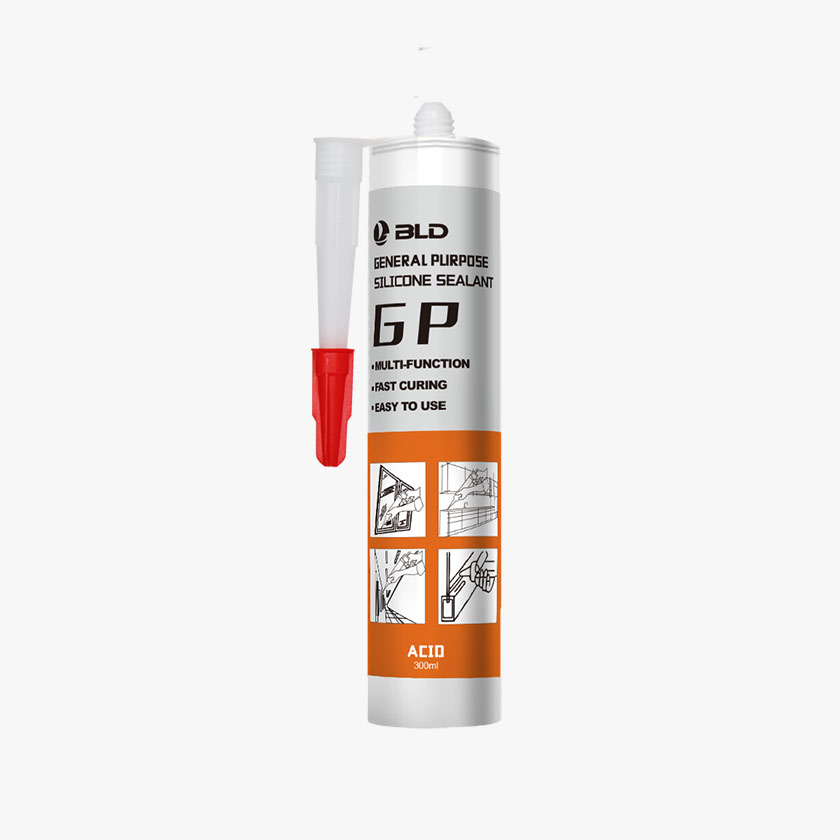
A front label can claim almost anything. It can say “fast,” “flexible,” or “bonds everything,” and still tell you almost nothing about whether the material will hold in your shop on a humid Tuesday. What actually governs the result is the cure chemistry. Epoxies build strength through a two-part reaction, polyurethanes often need ambient moisture, and UV acrylics sit inert until the right wavelength hits them. If you skip the label copy and look at which chemical pathway is doing the work, the real handling window and failure modes become obvious.
The phrase “cure” is not a single event. It describes a chain of molecular changes that can release heat, shrink, trap volatiles, or stall at the surface. A product labeled as a tough structural adhesive may be a moisture-cure system that turns gummy in low humidity or skins over too fast in high humidity. By reading the chemistry instead of the front of the bottle, you start asking about stoichiometry, conversion, and crosslink density rather than “does it dry clear?” That shift in attention usually matters more than any headline claim.
There is also a practical reason to ignore the front label. Marketing tends to flatten trade-offs into simple promises, while cure chemistry forces you to see them. A fast-curing cyanoacrylate can embrittle with age. A flexible silane-modified polymer may cure slowly but tolerate movement. Neither is universally better; each has a cost that only appears when you trace how it cures. The label might get the product into your hand. The chemistry decides whether you reach for it twice.
Test a Small Area Before You Commit to the Full Bead
A quick test strip can save you from a messy correction later. Pick a spot that won't be seen easily—near the back edge, under a lip, or wherever the same material sits—and run a short section exactly as you would on the finished surface. Keep the tooling angle and pressure consistent so the result reflects the real application.
Let that sample cure fully before judging it. Some products shift in color or shrink as they set, and surfaces with old sealant residue, wax, or moisture can react differently than a clean test card. If the bead pulls away, discolors, or looks too glossy after the wait time, you can adjust your prep or switch products without staring at a completed line that bothers you.
This step feels slow but pays off on irregular or porous materials. The small patch also gives you a clear reference for cleanup, tack time, and how the edge will read under the room's lighting. Once the test passes, move to the full run with the same rhythm and product temperature, rather than changing your approach mid-way.
Pick a Sealant That Can Handle the Substrate’s Moods
Substrates rarely sit still. Wood swells after a humid week, concrete dusts or cracks as it cures, and metal pulls away when the temperature drops. If you grab a rigid sealant, the joint fails the moment the material decides to move. Look for a product with enough elongation and recovery to follow that movement without tearing, especially on exterior gaps where morning condensation and afternoon heat create a daily tug-of-war.
Porosity matters just as much as movement. Fresh concrete may look solid but can hold moisture that pushes paint and cheap caulk off from behind. A breathable, high-bond sealant often works better because it lets trapped vapor escape without losing grip. When in doubt, test a small patch before committing to the full run—substrates tend to reveal their mood only after the first weather change.
Think About the Joint’s Worst Day, Not Its Typical Day
A joint rarely fails on the afternoon when everything is dry, square, and loaded exactly as the table says. The trouble starts when the member picks up moisture, shrinks or swells a fraction, and then someone asks it to hold a load it was never meant to see on a windy Saturday.
Designing around that worst day changes the choices quietly. You stop treating the fastener as the hero and start thinking about bearing area, edge distance, and what happens if one side settles. A little extra depth or a slightly longer overlap can look unnecessary on paper until the joint is the only thing still holding the frame together.
It also means accepting that overbuilding a connection is not waste. It is insurance for the day when the load arrives sideways, the wood is wet, and nobody is there to notice the first crack. By then, the joint has already made its decision.
Judge Cost by Years of Service, Not Price per Tube
A cheaper tube that fails after nine months rarely saves money. Once you factor in the labor to swap it out, the downtime while the line sits idle, and the risk of contaminating a batch, that “bargain” quietly turns into a recurring expense. A product that lasts three or four years may look twice as expensive on the shelf, but it buys you fewer interruptions and far less scrambling.
Try converting the sticker price into a simple annual figure. Divide the cost by the number of years it actually holds up under your operating conditions, not the number printed in the catalog. If a $40 tube lasts two years, it costs $20 a year. If a $70 tube lasts five years, it costs $14 a year—and you avoid two extra replacements in that window.
The useful comparison is cost per service year, including the labor and lost production behind each replacement. Once those numbers are on the table, the tube with the higher price per unit is often the cheaper one to live with.
FAQ
The main difference is rarely one single ingredient. We look at movement class, cure chemistry, and how well the formula matches the surface and exposure. A sealant with 25% movement may be fine indoors but can tear on a metal panel facade that moves a lot. Matching the product to the actual joint conditions matters more than chasing the strongest-sounding label.
Not really. Price often reflects branding, packaging, or a specialty additive that may not matter for your job. I have seen inexpensive acetoxy silicones hold glass for decades, while some costly hybrid products fail because they were used on the wrong substrate. Check the technical data sheet, not just the price tag.
Acetoxy-cure gives off a vinegar smell and works well on glass, ceramic, and other non-porous surfaces. It can corrode certain metals and affect some paints, so avoid it there. Neutral-cure is gentler and usually better for coated metals, concrete, stone, and plastics. When in doubt, neutral cure is the safer default.
It tells you how far the sealant can stretch and compress without losing adhesion or tearing. A joint between materials that heat and cool at different rates needs a higher movement rating. If you put a 12.5% movement sealant into a joint that moves 25%, it will likely split. So it is not just a spec; it is a pass/fail limit for many jobs.
Sometimes, but not automatically. Outdoor products need better UV stability and resistance to rain, temperature swings, and dirt. Indoor wet areas often need better mold resistance. Some formulas cover both, but you have to read the label to confirm. A shower sealant may not survive years of direct sun, and an exterior product may not contain the right fungicide for a damp bathroom.
A lot, maybe half or more. Even the best silicone will peel if applied over dust, grease, or damp concrete. Clean the joint, remove old sealant completely, use a backer rod for deep joints, and follow any priming instructions. The product can only hold onto what you give it.
Be cautious if the label avoids listing a movement class, cure type, or cure time. Missing batch codes, no standard reference, and no mention of substrate limitations can also be red flags. A vague label usually means the manufacturer is not giving you enough information to predict how the material will behave.
Conclusion
Most sealant failures start with a mismatch nobody notices until the crack opens up. Instead of trusting a tube that says “flexible” or “premium,” check the movement rating against the joint’s actual expansion and contraction, and look past the front label to the cure chemistry. A neutral-cure silicone tends to age better in demanding weather than an acetoxy formula that can irritate certain surfaces. Before running a full bead, work a short test section into a hidden spot and let it cure, then flex the joint and pull at the edges to see whether adhesion really holds. That small step saves you from discovering a bad bond after the sealant has already locked itself into the detail.
The substrate rarely behaves the same way all year, so choose a product that tolerates damp, dusty, or slightly dirty conditions rather than one that demands a perfect surface on a perfect day. Design for the joint’s worst afternoon: thermal shock, wind-driven rain, standing water, and movement happening at the same time. If a sealant survives that scenario, the typical conditions will not scare it. Price also deserves a longer view. A cheap tube that fails in two years costs far more in labor, callbacks, and water damage than a higher-priced option that stays serviceable for a decade or more. Judge the cost by years of reliable service, not by the number printed on the shelf.
Contact Us
Contact Person: Charles
Email: [email protected]
Tel/WhatsApp: +86-0536-3350888
Website: https://www.baolongda.com/