

Isopropylated Triphenyl Phosphate Factory: Inside Production and Industrial Uses
2026-11-16
Most people never think about the additives that keep plastics from burning too fast or hydraulic systems from failing under heat. Isopropylated triphenyl phosphate is one of those behind-the-scenes chemicals, and its factory journey reveals why it has become a go-to flame retardant and anti-wear additive. At Fortune, that journey is engineered around consistency—starting from controlled synthesis and ending with application-specific grades. Here's a closer look at how it's made and where it's used.
Inside the Feedstock Yard: Raw Materials and Pre-Synthesis Checks
The feedstock yard rarely gets the attention it deserves, but this is where the entire downstream process either holds together or quietly falls apart. Piles of limestone, silica, alumina, and iron oxide sit under a patched roof, each tagged with a lot number, delivery date, and moisture reading from the morning shift. The ground crew walks the rows with a hand lens and a magnet, pulling out stray tramp metal and checking for the telltale gray-green discoloration that signals a bad batch. A clipboard at the gate lists what's been approved and what's still waiting on a retest.
Before anything moves to the weigh hopper, the lab runs a quick sieve analysis and a loss-on-ignition test on a composite sample from three points in the pile. If the moisture content has crept above the limit after last night's rain, the material gets a turn in the rotary dryer. The kiln operator also checks the free lime content on any reclaimed dust, because too much of it will throw off the heat balance later. Every reading is written by hand in the shift log, not just typed into a spreadsheet, which forces the technician to actually notice a drift instead of letting the software flag it hours too late.
The final pre-synthesis check happens at the belt transfer point, where a cross-belt sampler pulls a one-kilogram cut every fifteen minutes. A quick magnet pass, a visual scan for oversized lumps, and a tap test on the moisture probe—these take less than ninety seconds but catch most of the problems that would otherwise show up as ring formation in the kiln or a sluggish preheater. Only after the shift supervisor initials the batch sheet and the day's first composite clears the QC bench does the raw mix leave the yard and head toward the blending silos.
The Core Reaction: Alkylation, Phosphorylation, and Process Control
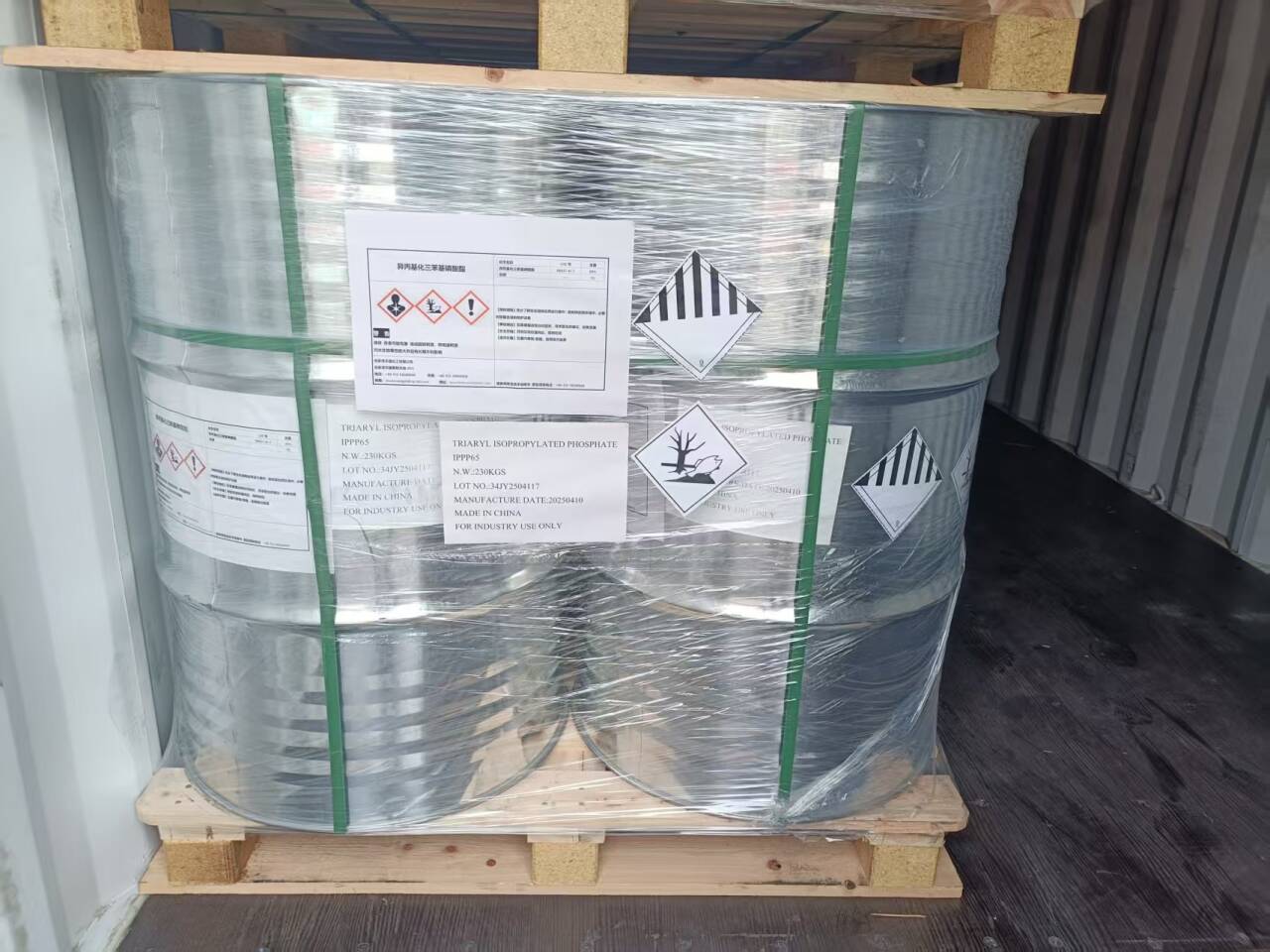
Alkylation here isn't a gentle stir-and-wait step. The reaction demands precise temperature control, often kept between -5°C and 10°C, because the alkyl halide can decompose or trigger side reactions if the mixture drifts even a few degrees. Operators watch the addition rate closely—too fast, and the exotherm spikes, pushing the yield down while raising impurities. In practice, a slow feed over 20 to 40 minutes, paired with continuous agitation, keeps the intermediate stable. Once the alkyl group attaches, the reaction mixture shifts from a cloudy suspension to a clearer, more viscous phase, a visual cue that the first key step has gone to completion.
Phosphorylation is where most batches fail. The phosphorus reagent, often a chlorophosphate or a protected phosphoramidite, is moisture-sensitive and needs an inert atmosphere—nitrogen or argon—to avoid hydrolysis. Temperature here is deliberately kept lower, around 0°C to 5°C, because the phosphorylation intermediate is highly reactive and will attack any free alcohol, not just the target hydroxyl. A common workaround is to use a slight molar excess of the phosphorylating agent, then quench the leftover with a small, controlled amount of water or alcohol after 30 minutes. This quench step stops the reaction before it can degrade the product into a phosphate ester mixture that is difficult to separate.
Process control ties both steps together, and it is more than just setting a PID loop. The pH drifts during phosphorylation as HCl or similar byproducts form, so a buffered system—often a tertiary amine like triethylamine—is added slowly to hold the mixture between pH 6.5 and 7.5. Sampling every 15 minutes with TLC or inline IR gives a real-time read on conversion; waiting for the final HPLC result is too slow. If the alkylation step runs long, the phosphorylation yield drops by 10% or more, so operators use a strict time window: no more than 90 minutes total from first alkyl halide addition to final quench. Small deviations in stirring speed or jacket temperature can shift the impurity profile, and experienced chemists learn to read the batch by its smell, color, and even the sound of the agitator under load.
From Crude Ester to Clear Liquid: Purification and Batch Testing
Turning a freshly synthesized ester into a clear, market-ready liquid rarely happens in a single step. The crude product typically carries unreacted alcohol, catalyst residues, and traces of water that dull its appearance and compromise performance. A standard workup begins with repeated water washes to pull out water-soluble impurities, followed by drying over a desiccant like anhydrous magnesium sulfate. For esters sensitive to heat, a wiped-film evaporator under reduced pressure offers a gentle route to strip off low boilers without degrading the main fraction. Each of these moves is logged, because even minor shifts in pH or temperature can leave a haze that later shows up in batch testing.
Purification rarely stops at distillation. Many production lines add a polishing step—passing the dried ester through a bed of activated carbon or neutral alumina—to adsorb color bodies and residual polar contaminants. The goal is not just chemical purity but optical clarity: a bright, transparent liquid free of visible sediment or cloudiness. Operators check clarity against a backlit panel after filtration, rejecting any batch that fails the visual test. This stage also sets the baseline for downstream specs like acid value and moisture content, which are measured immediately after the product cools to ambient temperature.
Batch testing closes the loop by verifying that every drum from a given run behaves like the reference sample. A typical panel includes gas chromatography for ester content, Karl Fischer titration for water, and a color comparison against platinum-cobalt standards. Results are trended over multiple campaigns to catch slow drifts in feedstock quality or column efficiency before they cause a rejection. When a batch drifts outside the accepted range, the lab often re-runs the purification on a small scale to pinpoint whether the issue came from extraction, drying, or a fouled distillation path—turning what could be a disposal cost into a process improvement.
Flame Retardant Applications Across Electronics and Automotive Plastics
In electronics, flame retardants are woven into the very fabric of device safety. Beyond the obvious housing of a laptop or the casing of a power adapter, these additives show up in printed circuit boards, connectors, and even the thin insulation around wiring. The goal isn't just to slow ignition—it's to buy critical seconds during a short circuit or overheating event, preventing a small failure from cascading into a fire. Engineers often pair brominated or phosphorus-based retardants with synergists like antimony trioxide, fine-tuning the balance between thermal stability and mechanical strength. The challenge lies in maintaining signal integrity and avoiding leakage currents, which means the choice of retardant must respect the electrical properties of the base polymer.
Automotive plastics face a harsher reality: underhood temperatures can exceed 150°C, and materials must endure vibration, fuel exposure, and UV aging while still meeting strict flammability standards like UL 94 V-0. Flame retardants here are not just about preventing fires after a crash—they also reduce smoke and toxic gas release, which is critical for occupant evacuation. Polypropylene and polyamide components, from battery housings to dashboard substrates, often incorporate intumescent systems that swell into a protective char layer when heated. This char acts as a physical barrier, starving the flame of fuel and oxygen. Recent shifts toward electric vehicles have pushed demand for retardants that don't compromise the electrical insulation of high-voltage connectors or the thermal conductivity of battery cooling plates.
What ties these two sectors together is the move away from legacy halogenated formulations. Regulatory pressure and consumer awareness are driving a quiet revolution toward phosphorus-nitrogen synergies, metal hydroxides, and bio-based char formers. The trick is achieving the same level of fire performance without the corrosive smoke or environmental persistence of older brominated compounds. In electronics, this means reformulating thin-wall connectors that can still pass glow-wire tests at 750°C. In automotive, it involves replacing decabromodiphenyl ether in seat foams with reactive phosphorus polyols that bond into the polyurethane matrix. The result is a new generation of flame-retardant plastics that protect both the product and the people around it—without leaving a toxic legacy.
Plasticizer Performance: Flexibility, Low-Temperature Behavior, and Compatibility
A plasticizer works by embedding itself between polymer chains, weakening the dipole interactions and hydrogen bonds that hold the chains in a rigid lattice. This increases free volume, allowing chain segments to slip past one another under load. The practical outcome is a softer, more elongating material: tensile modulus drops, elongation at break climbs, and the energy required to deform the part falls. Efficiency varies widely; a sebacate or adipate will typically deliver more flexibility per phr than a phthalate of similar molecular weight, so formulations often blend plasticizers to hit a target Shore hardness without overloading the compound.
Low-temperature flexibility depends on how effectively the plasticizer disrupts polymer crystallization and lowers the glass transition. Branched esters like di-2-ethylhexyl adipate or trioctyl trimellitate keep chains mobile well below 0°C, while linear phthalates with long alkyl side chains can stiffen abruptly as the side chains themselves order. The brittleness temperature and Clash-Berg modulus are more useful than Tg alone because they capture the compounded material's response under rapid deformation. For cold-climate cables or automotive interior skins, a plasticizer with a low pour point, low viscosity at subzero temperatures, and a branched or mixed alkyl structure usually outperforms a simple ortho-phthalate.
Compatibility is the quiet requirement that separates a durable compound from one that bleeds. If the plasticizer's solubility parameter is too far from the polymer's, or if its molecular weight is very low, it will migrate to the surface over time, producing tack, haze, or a greasy film. Polarity matters as much as size; a moderately polar ester may stay put in nitrile rubber while a nonpolar paraffin exudes within days. Long-term compatibility also influences extraction resistance in soapy water, oil, or solvents, so accelerated aging tests at elevated temperature are a standard way to predict whether a chosen plasticizer will remain part of the formulation rather than becoming a surface contaminant.
Environmental and Occupational Safety Measures at the Production Site
Air quality inside the production halls is tracked with fixed sensors placed near solvent dispensing points and polymer blending units, while portable monitors are carried by line supervisors during shift changes. Local exhaust ventilation switches on automatically fifteen minutes before any batch operation begins, and the pressure drop across each filter bank is recorded twice daily. When a sensor reading drifts above 80% of the permissible exposure limit, the affected line pauses and the maintenance team checks seal integrity on nearby ductwork before resuming work.
Operators handling raw pigments or cleaning agents wear nitrile-coated cut-resistant gloves and full-seal goggles that are inspected weekly for scratches or strap wear. Spill kits with pH-neutralizing powder and absorbent socks sit within ten meters of every workstation, and eyewash stations are tested each Monday morning. Instead of a generic fire drill, the monthly emergency exercise simulates a small solvent leak near the loading dock, requiring the response team to cordon off the area, ventilate with mobile fans, and document containment time on a laminated checklist attached to the nearest column.
FAQ
The facility turns out isopropylated triphenyl phosphate, a liquid organophosphate ester that serves double duty as a flame retardant and plasticizer. You will find it in polyurethane foam, PVC compounds, hydraulic fluids, and some wire and cable insulation.
Production usually starts with triphenyl phosphate and introduces isopropyl groups through a Friedel-Crafts alkylation using propylene or isopropyl chloride. The reaction is run in large stainless steel or glass-lined reactors under controlled temperature, followed by washing, neutralization, and vacuum distillation to isolate the desired ester.
Automotive interiors, furniture foam, electronics housings, and construction materials are the big ones. Any sector needing flexible polymers with reduced flammability and good low-temperature performance tends to use it.
Operators monitor acid value, phosphorus content, viscosity, color, and moisture level after each batch. Gas chromatography and FTIR are used to confirm the isopropylation pattern and check for unreacted phenol or residual catalyst.
Closed-loop solvent recovery, scrubbers on vents, and treatment of aqueous wash streams are standard. Spent catalyst and distillation bottoms are often sent to licensed waste-to-energy or recycling facilities rather than landfill.
Because organophosphates can be irritants and mild cholinesterase inhibitors, workers wear chemical-resistant gloves, goggles, and sometimes air-purifying respirators during sampling or maintenance. Real-time monitoring for volatile organic compounds and strict lockout-tagout procedures on reactors are also enforced.
Yes, the degree of isopropylation and the isomer distribution shift the product's viscosity, phosphorus content, and compatibility with different polymers. Factories can tune catalyst type, temperature, and feedstock ratios to favor mono-, di-, or tri-isopropylated species.
Adding isopropyl groups lowers the melting point and reduces volatility while improving solubility in many resins. Straight triphenyl phosphate is a solid at room temperature, whereas the isopropylated version stays liquid, making it easier to meter and blend into formulations.
Conclusion
Walking through the feedstock yard, operators don't just unload drums of phenol, propylene, and phosphorus oxychloride—they log moisture levels, assay purity, and reject any lot that drifts outside spec before it ever reaches the reactor. Inside the production hall, alkylation and phosphorylation run in a tightly sequenced loop where temperature ramps, catalyst dosing, and reflux ratios are adjusted by shift chemists, not left to a single setpoint. The resulting crude ester undergoes vacuum distillation and neutralization washes, and only after gas chromatography confirms isomer distribution and residual phenol stays under threshold does the batch move to a clear-liquid tank. A sample is pulled from each lot for acid value, color, and viscosity, and those numbers are cross-checked before the tank is released.
Downstream, the same liquid heads into polyurethane foams, PVC cable jackets, and polycarbonate blends—flame retardant loadings in electronics enclosures often sit between 8 and 15 phr, while automotive glove boxes and under-hood connectors lean on it for UL 94 V-0 without destroying impact strength. As a secondary plasticizer it improves low-temperature flex and keeps migration low, especially in vinyl wiring where stiffening at -20°C is a known failure point. On the plant floor, vapor capture at charging stations, closed-loop solvent recovery, and regular urinary biomarker screening for phosphate metabolites form the backbone of the hygiene plan; respirators are still mandatory during line breaks because aerosolized esters can irritate the upper airway. Wastewater from the neutralization step is pH-adjusted and passed through activated carbon before discharge, and emergency showers are positioned at every drum-unloading bay.
Contact Us
Contact Person: WANG SIHAI
Email: [email protected]
Tel/WhatsApp: +86-13815295628
Website: https://www.fortunechemtech.com/index_en.html