

Healthcare RFID Wristbands: Transforming Patient Care and Safety
2026-06-21
Hospitals are always seeking smarter ways to enhance patient safety and streamline workflows. One small device is making a surprisingly big impact: the RFID wristband. By instantly linking patients to their digital records, these bands reduce errors and free up staff for more meaningful care. At the forefront of this shift is BAOBI, whose innovative wristbands are quietly redefining what’s possible in healthcare. Let’s explore how this simple tool is transforming everyday clinical practice.
Silent Guardians: How Wristbands Protect Without Intrusion
Wristbands achieve protection through passive monitoring, never demanding attention or interrupting daily life. They sit gently against the skin, tracking vital signs and movement patterns without beeping alerts or flashing screens. This silent vigilance means wearers go about their routines unaware of the constant safety net wrapped around their wrists, yet the moment something deviates from normal parameters, designated contacts are quietly notified.
Unlike cameras or motion sensors that can feel invasive, these devices gather only essential health and location data, respecting personal boundaries. There is no video feed streaming to a stranger’s screen, no microphone capturing private conversations. The wristband simply understands what a sudden fall or irregular heartbeat looks like in raw data, transforming biometrics into meaningful insights without ever exposing the intimate details of someone’s life. Protection exists in the background, woven seamlessly into an accessory people already wear.
The real genius lies in what is absent: no bulky hardware, no complicated setup, no stigma of wearing a medical alert device. A slim band in muted tones blends with any outfit, and its intelligence works so quietly that family members gain peace of mind without making their loved one feel monitored. This frictionless design ensures that safety never comes at the cost of dignity or independence, preserving the feel of normal life while standing guard against the unexpected.
Seamless Journeys: Tracking Patients from Entry to Exit
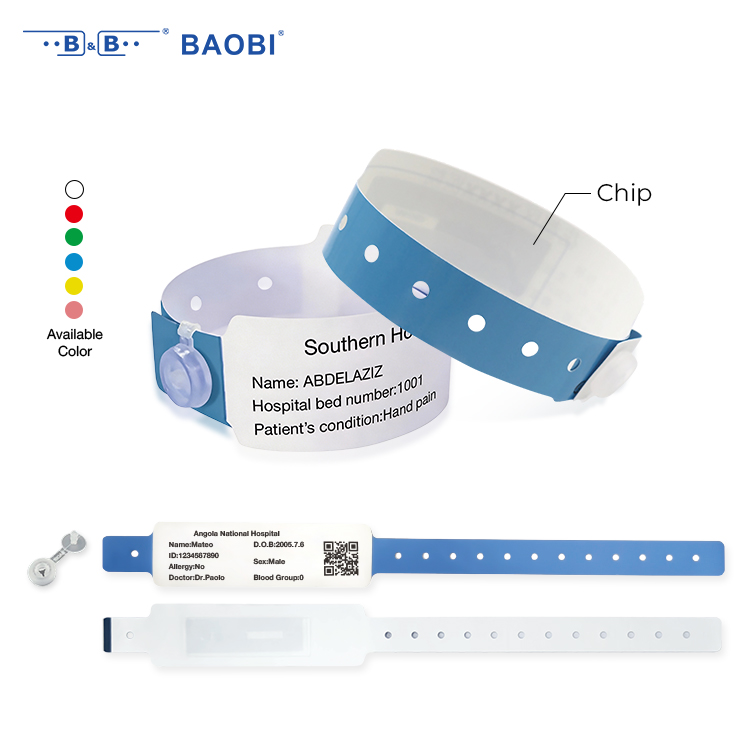
Every patient's path through a healthcare facility should feel effortless, from the moment they step through the door until their final discharge. By weaving together real-time location data, electronic health records, and intuitive check-in systems, we create a continuous narrative of care that eliminates repetitive paperwork and prevents bottlenecks before they form. Staff can anticipate needs, guide patients to the right departments, and adjust workflows dynamically, ensuring no one gets lost in the shuffle.
This approach goes beyond basic wayfinding—it's about building a responsive environment where patient flow becomes nearly invisible. Automated alerts notify care teams when a patient arrives, when they've been waiting too long, or when a procedure room is ready, all while preserving the human touch. The result is a quieter, calmer experience that reduces anxiety and lets patients focus on getting well, not on navigating a maze.
Behind the scenes, analytics reveal patterns that might otherwise stay hidden: peak arrival times, frequent delays in imaging, or underused consultation spaces. Armed with these insights, administrators can reshape schedules and resource allocation without disrupting daily operations. It’s a continuous improvement cycle that keeps the focus where it belongs—on delivering care that feels personal, timely, and remarkably smooth.
Error-Free Care: The Role of RFID in Preventing Medical Mistakes
Hospitals are chaotic environments where a simple misidentification can cascade into life-threatening errors. RFID technology steps into this fray with an elegant solution: tiny tags that silently track patients, medications, and equipment, ensuring that the right care reaches the right person at the right moment. Unlike barcodes that demand line-of-sight scanning, RFID readers can capture data from multiple tags simultaneously, even through walls or while items are in motion. This real-time visibility creates a digital safety net, catching mismatches before a wrong medication is administered or a surgical sponge is left inside a patient. It’s a quiet, persistent guardian that reduces reliance on human memory in high-stress moments.
The magic unfolds in the mundane: a nurse walks into a patient’s room, and a reader instantly verifies the patient’s ID against the drug vial, cross-referencing the electronic health record for allergies or dosage errors. No more squinting at handwritten charts or misplaced decimal points. In operating theaters, RFID-tagged sponges and instruments are counted automatically, slashing the risk of retained objects. The system also streamlines handoffs between shifts, where critical information often gets lost. By embedding these checks into the workflow without slowing it down, RFID transforms safety from a manual chore into an invisible rhythm, freeing clinicians to focus on what they do best—caring for patients.
What truly sets RFID apart is its ability to learn and adapt. Over time, the data trails reveal patterns—frequent near-misses in a particular ward, a specific nurse who consistently catches errors, or equipment that’s repeatedly misplaced. Hospitals can then retrain staff, redesign layouts, or adjust protocols based on evidence, not guesswork. This shifts the culture from blaming individuals to fortifying systems. The result isn’t just fewer mistakes; it’s a resilient infrastructure where errors become rare exceptions rather than accepted risks. RFID doesn’t replace human vigilance, but it amplifies it, turning every interaction into a chance to verify, validate, and protect.
Data That Cares: Turning Patient Movements into Actionable Insights
Every patient journey leaves behind a trail of data—each appointment, transfer, and discharge shaping a story that often goes unnoticed. But when we pay attention to these movements, patterns emerge that reveal more than just logistics. Hospitals can foresee surges in demand, identify bottlenecks in care transitions, and even predict which patients might return before they walk out the door. It’s not about tracking for the sake of surveillance; it’s about listening to what the flow is trying to tell us.
The real value lies in turning raw location data into gentle nudges that improve care. Imagine a system that flags when a patient’s transfer from ICU to a general ward hits an unusual delay, not because it’s a metric to hit, but because that lag often correlates with higher readmission rates. Or consider how analyzing movement patterns in an outpatient clinic can highlight that certain appointment sequences leave elderly patients exhausted and confused—insights that lead to scheduling changes without anyone filing a complaint. This is data that doesn’t just observe; it acts.
What makes this approach different is its quiet persistence. It doesn’t demand new workflows or flashy dashboards. Instead, it weaves into the existing fabric of care, surfacing insights that feel almost intuitive. A nurse might receive a simple alert suggesting a check-in with a patient who has been pacing the hallway unusually late, not because a protocol says so, but because patterns from hundreds of similar cases indicate that small gesture could prevent a crisis. When data cares, it doesn’t shout—it whispers, and in that whisper lies the power to transform patient experiences from the ground up.
Liberty in Healthcare: Wireless Wristbands That Free Patients and Staff
Hospitals have long wrestled with the tension between necessary monitoring and patient autonomy. Tethers to machines, frequent check-ins, and rigid schedules often turn recovery into an experience of confinement. Wireless wristbands change that equation entirely. By continuously tracking vitals like heart rate, oxygen saturation, and movement, they let patients roam corridors, visit gardens, or simply sleep without interruption, all while feeding data back to a central station. This subtle shift from wired observation to discreet wearables restores a sense of personal space that traditional devices strip away.
The freedom extends well beyond the patient room. Nurses and clinicians, freed from manually recording vitals every hour, can respond to alerts instead of chasing readings. These wristbands filter noise from meaningful signals, cutting down alarm fatigue and letting staff focus on urgent care rather than repetitive tasks. A quick glance at a dashboard shows who needs attention and who is stable, streamlining rounds and reducing the physical toll of constant back-and-forth. The result is a quieter, more efficient ward where both sides feel less burdened.
What makes this approach stand out is how it blends into daily life rather than interrupting it. The bands are lightweight, waterproof, and unobtrusive—nothing like the bulky monitors of the past. Patients can shower, exercise, or interact with family without feeling like subjects in an experiment. Meanwhile, the data helps doctors spot trends early, often preventing crises before they happen. In the end, wireless wristbands aren't just another gadget; they restore a measure of liberty that healthcare, despite its best intentions, tends to chip away.
The Connected Patient: RFID Wristbands as the Backbone of Smart Hospitals
In a modern hospital, the simple act of strapping an RFID wristband onto a patient’s arm sets off a quiet revolution. These unassuming bands do far more than display a name and date of birth—they silently link the person to a vast digital ecosystem. From the moment of admission, the wristband becomes a bridge between physical care and real‑time data, enabling seamless patient identification, location tracking, and automated documentation. It’s this constant, passive communication that transforms a traditional facility into a smart hospital, where the patient is never truly disconnected from the care they need.
Beyond identification, the wristband acts as a nexus for clinical workflows. Nurses can scan the band at the bedside to verify medications, preventing errors before they happen. The same tap can pull up the patient’s entire record—vital signs, allergies, lab orders—streamlining rounds that once relied on clipboards and phone calls. Meanwhile, discreet location beacons built into the band help staff quickly find a patient who may have wandered, or track how long someone has been waiting for a procedure. This real‑time visibility choreographs the hospital’s rhythm, cutting delays and freeing clinicians to focus less on logistics and more on healing.
What often goes unnoticed is how this connectivity extends beyond the clinical team. The wristband can pair with environmental sensors to adjust room lighting or temperature to a patient’s preferences, or log movements that inform discharge planning. For the patient, it means a room that feels less institutional; for the hospital, it’s a constant feed of operational insight. By weaving each individual into the fabric of the facility’s nervous system, RFID wristbands quietly orchestrate a smarter, safer experience—one that feels less like a stay in a hospital and more like care that simply, intuitively happens.
FAQ
RFID wristbands contain a tiny chip and antenna that store patient data and communicate with readers via radio waves. When a healthcare staff member scans the band, the system instantly pulls up medical records, medication schedules, or allergy alerts without needing direct line-of-sight, making data retrieval fast and hands-free.
They essentially eliminate mix-ups by linking every patient to a unique digital ID. Scanning the band before giving meds, drawing blood, or performing surgery flags mismatches right away. If a nurse tries to give a drug to someone with a documented allergy, the system alerts them before any harm occurs.
Yes, when integrated with real-time location systems, they can. This helps staff quickly find a wandering dementia patient, monitor wait times in the ER, or understand bottlenecks in patient flow. It’s not just about knowing where someone is but also improving the overall rhythm of care.
Barcodes demand a clean, direct line-of-sight and can smear or fade, especially if the band gets wet. RFID reads through clothing and bedding, works in bulk (scanning multiple patients at once), and holds much richer data. It’s also more durable—a wristband that survives showers and rough handling without degrading its readability.
Absolutely, and hospitals handle this carefully. The wristband itself typically holds a simple ID number, not full medical histories. All sensitive data stays on encrypted hospital servers. Access is layered—a nurse sees different info than a lab tech. Plus, the band signal is dead outside the clinical setting, reducing the risk of remote skimming.
They reduce repetitive checks—you’re not asked for your name and birthday twenty times a day. Families feel safer knowing the right medication is being given at the right time. Some hospitals even let parents track a newborn’s location within the maternity ward, adding an extra layer of reassurance during a stressful time.
Most staff pick it up quickly because the workflow mimics what they already do with barcodes, just without the hassle of alignment or smudged tags. A short training session usually covers it. The real shift is mental—once they see how much time they save and how many near-misses get caught, resistance melts away.
Conclusion
In modern hospitals, RFID wristbands quietly reshape patient care without adding noise or constant interruptions. These lightweight bands work as silent guardians, confirming identities and tracking locations without needing patients to stop or interact. The moment someone enters the emergency room, the system logs arrival, maps their path through imaging, and notifies staff if a vulnerable patient wanders too close to an exit—all while preserving personal space and dignity. The flow feels seamless, yet behind the scenes, each movement updates records and cuts waiting times, turning fragmented steps into a connected journey from admission to discharge.
More than a tracking tool, the wristband becomes a shield against medical errors. Scanning the band at the bedside ties the right medication to the right person, flags allergies, and verifies blood transfusions before a single drop is given. This instant cross-check reduces the reliance on memory and paper notes, stamping out dangerous oversights. Beyond safety, the steady stream of anonymized movement data reveals patterns—how long patients wait, where congestion builds—so hospitals can redesign layouts and staffing not by guesswork but by evidence. Free from wired monitors, patients move unrestricted, and wireless alerts liberate nurses from constant bedside checks, letting them focus where they are needed most. In all this, the RFID wristband stitches together a smarter, safer hospital where technology feels almost invisible but the care feels profoundly human.
Contact Us
Contact Person: Bill Xu
Email: [email protected]
Tel/WhatsApp: 8618688898707
Website: https://www.baobitech.com/