

Fire Retardant Clothing Company Shares Key Safety Standards for High-Risk Work Environments
2026-08-13
When flames are a daily reality, the difference between a close call and a catastrophe often comes down to what you’re wearing. Yet too many safety managers still treat fire retardant clothing as a checkbox rather than a lifeline. DROTEX doesn’t just sell gear—they’ve built their reputation on decoding the standards that keep high-risk teams alive. From arc flash ratings to thermal shrinkage, the rules are changing, and a quick skim of an old label won’t cut it anymore. Here’s what the experts at DROTEX want every safety professional to know before the next shift starts.
What Actually Makes Flame-Resistant Clothing Protective
Flame-resistant clothing doesn't simply repel fire—it's engineered to stop burning the moment the heat source is removed. The fabric is treated or woven from fibers that resist ignition and self-extinguish, preventing the garment from becoming fuel. This is crucial because most severe burn injuries aren't from the initial flash but from clothing continuing to burn against the skin.
The protection comes down to the chemistry and structure of the fibers. Inherently flame-resistant materials like aramid or modacrylic have a molecular backbone that won't sustain combustion. Treated fabrics, on the other hand, are infused with flame-retardant compounds that release inert gases or form a char layer when exposed to heat, starving the flame of oxygen and creating an insulating barrier.
What often gets overlooked is the role of fit and layering. Loose-fitting garments create a thin air gap that reduces conductive heat transfer, while tight clothing can press the heat directly onto the skin. That's why properly selected flame-resistant gear isn't just about the material—it's about how the whole system works together to buy you those extra seconds to escape.
Mistakes That Turn Safe Gear into a Hidden Hazard
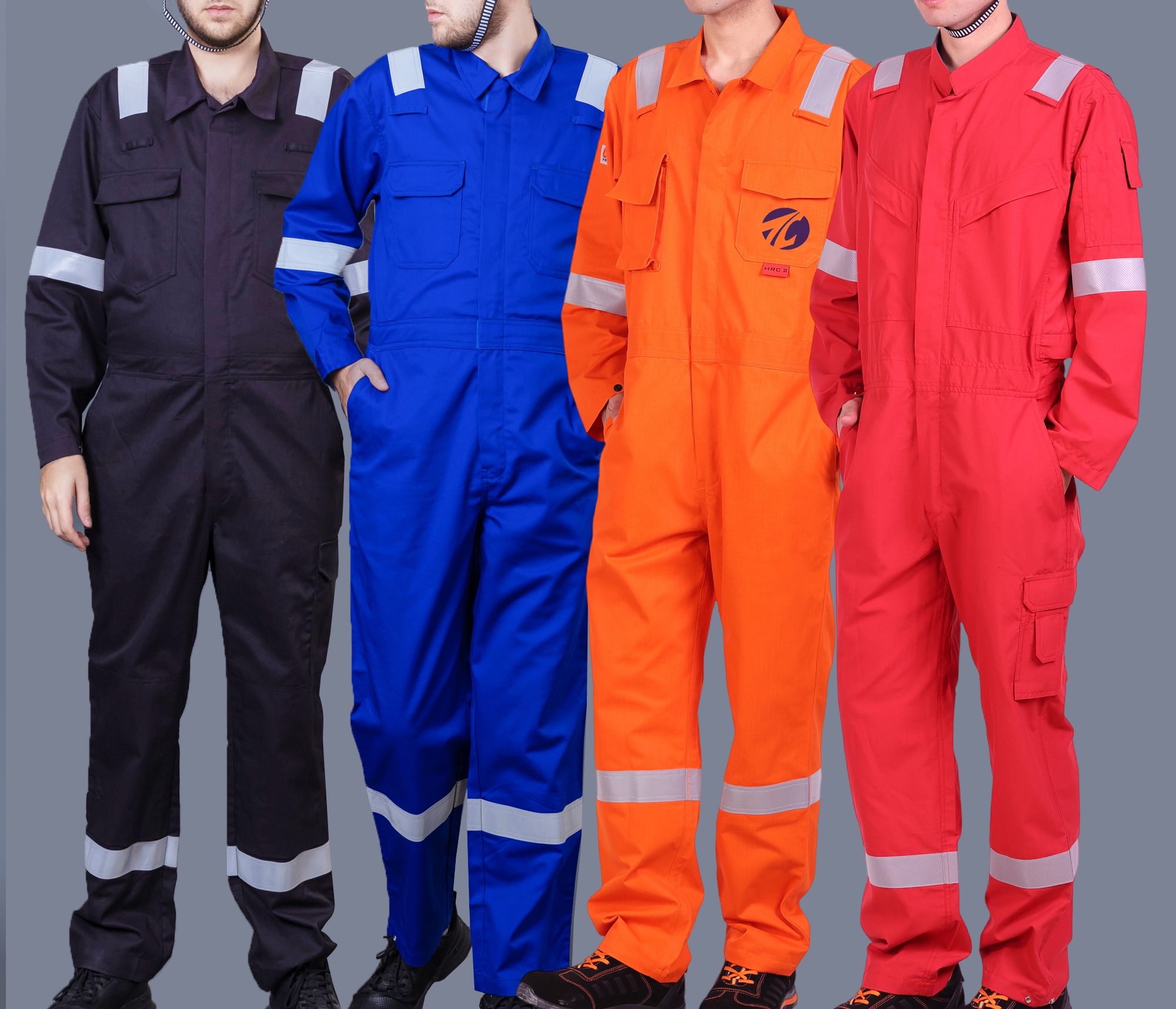
A hard hat that has faded to a chalky white or a harness with fuzzy, frayed stitches rarely triggers concern because it still looks like the gear you have always used. That is precisely where danger hides. Polycarbonate shells and nylon webbing lose strength from prolonged UV exposure long before they show obvious cracks, and relying on a five-year-old helmet just because it has no dents is a fast way to put faith in material that has quietly turned brittle.
The second common mistake is treating cleaning as optional or grabbing whichever solvent is closest. Wiping a face shield with acetone or soaking straps in bleach might remove grime, but it also attacks the chemical bonds that keep impact-resistant plastics and load-bearing fibers intact. Once those surfaces become slightly tacky or the webbing loses its crisp edge, the gear can fail at loads far below its rating without any visible warning.
A third hidden hazard comes from mismatched parts and aftermarket fixes. Swapping a suspension from one brand into a shell made by another, adding a chin strap with a metal rivet, or using a carabiner that appears undamaged can create pressure points and incompatible wear patterns that no single manufacturer ever tested. Store the gear away from direct sunlight, battery charging stations, and exhaust fumes, because ozone and acid vapor degrade polymers just as reliably as a fall.
Layering FR Apparel Without Sacrificing Mobility
The old assumption that flame-resistant layers have to feel stiff and boxy no longer holds. Start with a lightweight FR base layer that pulls sweat away from your skin—moisture-wicking knit fabrics in a trim cut keep you dry without adding bulk. Over that, a mid layer with mechanically stretchy face fabric and a brushed interior gives you insulation while letting your arms and shoulders move through a full range. Look for pieces with underarm gussets and articulated elbows; those small construction details make a bigger difference than any amount of loft.
Fabric choice plays a huge role in how freely you can move. Inherently flame-resistant fibers like modacrylic blends can be spun into soft, flexible yarns that don't rely on chemical coatings, so they keep their drape and breathability. Soft shell jackets built with four-way stretch membranes shrug off wind and light rain without the crinkle and resistance of a traditional heavyweight shell. If you need more warmth, opt for a zip-in liner rather than piling on multiple bulky sweaters—removable layers let you adjust on the fly without restricting your stride or overhead reach.
Fit is the final piece. A well-designed FR garment should follow your body, not fight it: a slightly longer back hem stays put when you bend, adjustable cuffs seal out debris without pinching, and a hem that sits at the hip rather than the thigh prevents bunching under a tool belt. When trying on new gear, run through the movements your job actually requires—squat, climb, twist, reach overhead. If the fabric pulls across the back or rides up at the waist, keep looking. The right layering system moves with you, so you forget you're wearing it.
Arc Ratings Explained for Everyday Work Decisions
An arc rating is basically the number that tells you how much incident energy a fabric can stop before it would likely cause a second-degree burn. Measured in calories per square centimeter, it is the figure you look for on a shirt or coverall tag when deciding if it can handle the potential heat from an arc flash at your job site.
The practical side comes down to reading your work environment. If you are only opening a panel for a quick voltage check, the required rating might be lower than when you are doing live work on a high-energy switchgear. Matching the rating to the actual exposure risk keeps you safe without overheating you in heavier gear than the task calls for.
One thing people often miss is that layering changes the math. Wearing an arc-rated base layer under a standard coverall can boost your overall protection because the combined fabrics disrupt more heat. And remember that a rating is not one-and-done—fabric condition, fit, and even how you wash it can shift real-world performance, so it is worth checking tags regularly.
Inspection Habits That Catch Damage Before It Matters
Most people spot trouble only when something breaks, but the habit that saves real money is a quick visual sweep before and after each use. Walk around the equipment, vehicle, or workspace with your eyes moving in a set pattern—top to bottom, left to right. You’re not looking for perfection; you’re looking for change. A new hairline crack, a faint oil smear, a fastener that sits slightly proud instead of flush. These small shifts often show up days or weeks before a part actually fails.
Make a short mental checklist tied to the specific item: hoses for bulges, welds for rust blooms, moving parts for unusual heat or noise during operation. Touch can tell you what eyes miss—run a finger near seals and joints to feel for grit or dampness. Record anything odd, even if it seems minor, and compare it against your notes from the previous inspection. That comparison is the real early-warning system.
The goal is to build a rhythm where inspection takes less than five minutes but happens every single time. Skip it once and the habit breaks. If you find a problem, don’t just patch it and move on—ask why the damage appeared there in the first place. A worn edge might point to misalignment, a repeated crack to overloading. Fix the root cause and you won’t have to catch the same damage twice.
Why Fit and Fabric Choice Shape Real-World Safety
A jacket that binds at the shoulders or rides up when you reach for a handhold isn't just uncomfortable—it limits how quickly you can react. In industrial settings and outdoor work, fit determines whether protective layers stay in place during unexpected movement. A properly cut sleeve allows full rotation without exposing the wrist, and a hem that stays down keeps sparks and debris from finding a gap at the waist. These small mismatches become real hazards when seconds count.
Fabric choice works alongside fit. A heavyweight cotton duck might feel rugged, but it can absorb moisture and lose its protective shape. In contrast, a well-chosen blend—like a cotton-nylon canvas with a slight mechanical stretch—resists tearing, dries faster, and maintains its structure through repeated washings. For flash-fire or arc-flash exposure, fiber content matters even more: synthetic melts, while treated natural fibers char and self-extinguish. Pairing the right weave, weight, and finish with a fit that allows natural movement turns clothing from a simple uniform into dependable safety equipment.
FAQ
We kept seeing the same pattern after incidents: workers were wearing garments that looked protective but failed under real exposure. Our field teams spoke with electricians, welders, and oil rig crews who said guidance was often confusing. That pushed us to translate complex standards into clear, practical checks that site managers can actually apply.
For flash fire hazards, NFPA 2112 is the baseline, but we also tell people to look for ASTM F1506 when arc flash is part of the risk picture. Beyond the label, check that the fabric, threads, and closures are all certified as a system—not just the shell.
Think of NFPA 2112 as protection against a sudden, intense fire event like a flash fire. ASTM F1506 is specifically for electrical arc flash. Some garments pass both, but passing one does not automatically mean the other. Workers need to match the standard to the dominant hazard, not to the most familiar brand name.
One persistent myth is that any heavy cotton garment offers real protection. Untreated cotton burns and can continue to burn against the skin. Another is that FR protection washes out. With today's inherent or properly treated fabrics, the protection is built into the fiber or bonded correctly, so wearers should focus on following laundering guidance rather than assuming the garment loses its rating after a few washes.
We recommend a monthly visual check for holes, thinning, stains from flammable substances, or damaged closures. If a garment has been exposed to a thermal event, it should be retired immediately—even if it looks fine. For daily wear in harsh environments, most companies set a replacement cycle of 12 to 18 months, but that depends on the specific work conditions and manufacturer's data.
Layering works when every layer is FR-rated. A cotton t-shirt under an FR coverall can melt or ignite and cause deeper burns. Using FR base layers, mid layers, and outer shells creates air gaps that add insulation and can significantly reduce the predicted body burn percentage. But the system only works if there is no non-FR layer breaking the protection.
Laundering often hurts protection more through incorrect products than through washing itself. Fabric softeners, bleach, and high-pH detergents can coat fibers or damage flame-resistant treatments. We advise home laundering with mild detergent and no fabric softener, or better yet, using an industrial laundry that follows the garment manufacturer's instructions and keeps records for audit purposes.
We are seeing more combined hazards—workers facing both chemical splash and flash fire, or battery storage fires that behave differently than traditional fuel fires. The trend is toward multi-hazard garments and more frequent risk assessments. Companies should review their PPE programs whenever job tasks, equipment, or energy sources change, rather than waiting for the next standard revision.
Conclusion
Flame-resistant clothing works because the fabric interrupts combustion instead of simply repelling sparks. The fibers are engineered to char and self-extinguish when exposed to flame, limiting burn injury and giving workers a few critical seconds to escape. But even certified gear fails when worn over synthetic base layers that melt into the skin, or when cuffs are rolled and seams left unrepaired. A fire retardant clothing company emphasizes that protective value depends on proper layering: moisture-wicking FR base layers paired with midweight outer fabrics keep mobility without creating gaps. Arc ratings, measured in cal/cm², translate directly into daily choices—selecting a shirt rated at 8 cal/cm² for a task with a 6 cal/cm² hazard leaves little margin, so understanding the numbers prevents dangerous guesswork.
Regular inspection habits are the quiet backbone of workplace safety. Small holes, worn reflective tape, or contamination from oil and solvents can compromise flame resistance before any visible damage appears. The same company advises checking zippers, snaps, and fabric integrity after every shift, because replacement is cheaper than a burn injury. Fit and fabric choice also shape real-world outcomes: a jacket that is too loose catches on equipment, while one too tight restricts movement and traps heat. Breathable FR cotton blends work well in humid conditions, while heavier aramid fabrics suit welding or electrical work. Ultimately, high-risk environments demand more than a label—they require workers who understand how their gear protects, how to maintain it, and why the right fit is part of the safety standard itself.
Contact Us
Contact Person: Sandy
Email: [email protected]
Tel/WhatsApp: 86150 8310 5120
Website: https://www.frdrotex.com