Durable Textured Geomembrane: The Superior Choice for Long-Lasting Containment Solutions
2026-08-12
When containment demands uncompromising durability, nothing outperforms a high-quality textured geomembrane. From landfill liners to mining ponds, its rugged surface delivers superior friction and long-term stability that smooth alternatives simply can't match. At JInseed Geosynthetics Solution, we've seen firsthand how the right geomembrane transforms a project's lifespan—and its safety margins. So what sets a truly durable textured geomembrane apart? Let's dig into the engineering and real-world advantages that make it the superior choice for lasting containment.
The Hidden Advantage of Textured Over Smooth Geomembranes
At first glance, smooth geomembranes seem like the obvious choice for containment projects. Their sleek surface promises easy cleaning and a certain aesthetic appeal. But dig a little deeper, and a quiet performer emerges—the textured geomembrane. Its real strength lies not in what you see but in how it behaves under stress. When slopes get steep or materials start shifting, that subtle roughness becomes a grip that prevents catastrophic slides. It’s a detail often overlooked until it’s the only thing holding the system together.
Think about the interface between a liner and the soil or geotextile above it. With smooth surfaces, friction can plummet when wet, turning a stable slope into a hazard zone. Textured geomembranes create micro-mechanical interlock, dramatically boosting interface friction angles. This isn’t just a lab curiosity—on real jobsites, it means reduced need for costly stabilization measures like toe berms or geogrids. The hidden advantage is economic and safety-driven, letting designers push slopes steeper without piling on extra layers of insurance.
Installation and long-term performance also tilt in favor of textured options. During placement, workers find that these sheets offer better traction underfoot, cutting down on slips and speeding up installation. Over decades, differential settlement or thermal cycles can cause smooth liners to gradually pull away from their support. Textured surfaces resist this creep, maintaining intimate contact that preserves low permeability. It’s a slow, silent battle against gravity and time, and texture is the unsung ally that keeps containment intact long after the construction crews have gone home.
Why Long-Term Containment Depends on Surface Friction
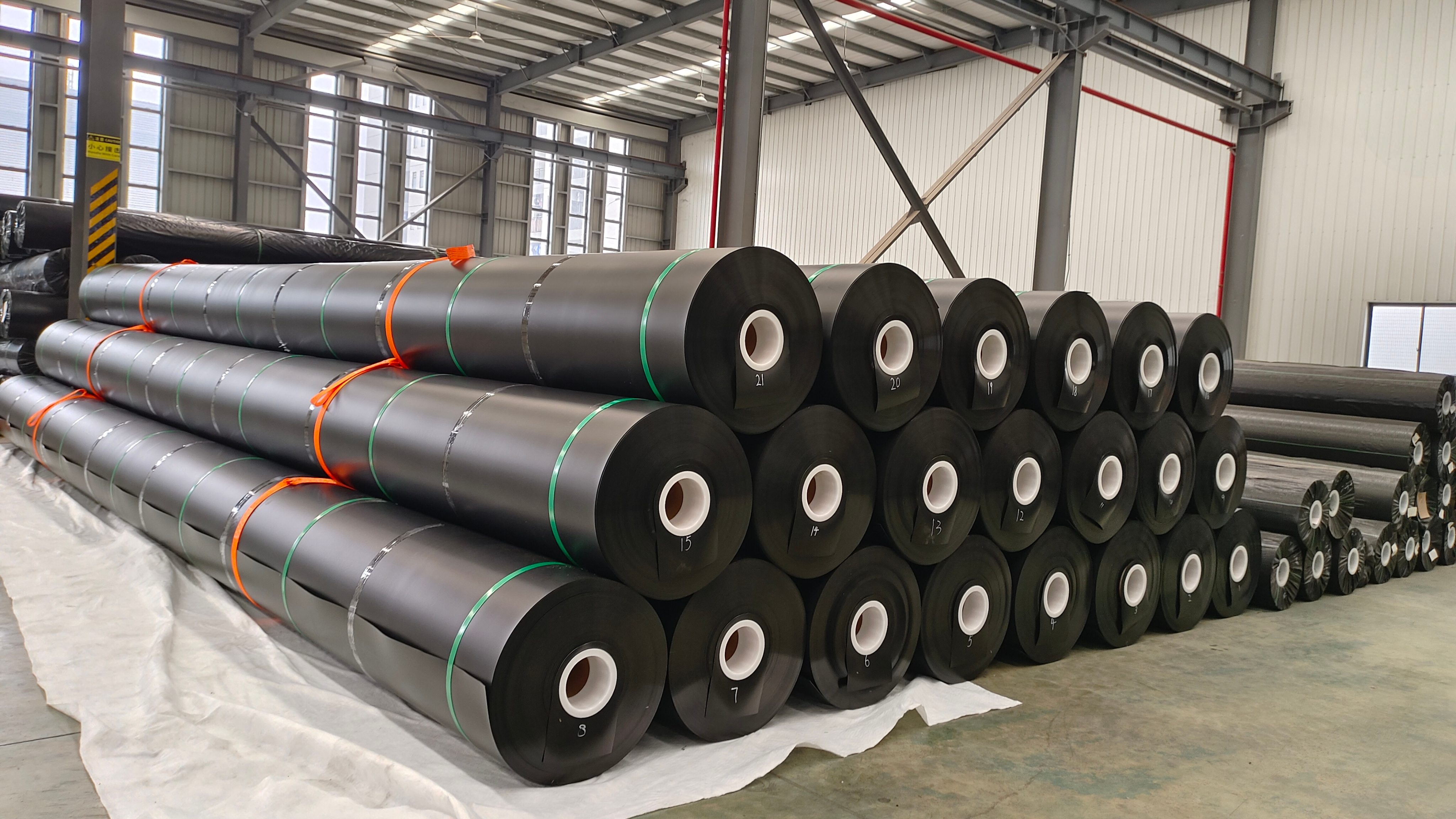
The stability of any containment barrier over time is rarely determined by its initial strength alone. Instead, it hinges on the subtle interplay between the contained material and the barrier surface. Surface friction acts as a silent, persistent force that resists the gradual slip and creep that can compromise isolation. Without sufficient friction, even the most robust-looking structure can slowly give way, allowing the contained substance to migrate imperceptibly until a breach becomes inevitable.
What makes this reliance particularly critical is that environmental conditions constantly work against friction. Moisture, temperature cycles, and biological growth can all alter the interface, reducing the grip that keeps everything in place. When friction degrades, containment shifts from a passive state to one requiring active intervention—a scenario that is rarely sustainable over decades or centuries. Designing for long-term success therefore means prioritizing surface characteristics that maintain high friction regardless of what nature throws at them.
Real-World Stress Tests: From Harsh Chemicals to Extreme Weather
Most devices never leave a climate-controlled room, but ours get a brutal introduction to the outside world. We drench them in industrial solvents that would eat through lesser seals, then bake them under UV lamps that mimic years of sun exposure in just days. Rain, sleet, and salt spray are just the warm-up—we literally freeze prototypes solid and drop them onto concrete to see if the casing splinters. These aren't lab simulations with tidy parameters; they're messy, unpredictable trials that echo the chaos of a construction site or a fishing boat caught in a squall.
Chemical resilience is tested by submerging components in everything from diesel fuel to concentrated cleaning agents. We watch for swelling, discoloration, or any breakdown in conductivity. Then it's into the thermal shock chamber, where temperatures swing from -40°F to 185°F in under a minute. Repeated cycles cause inferior materials to warp and crack. We learned early on that a device which survives a cozy office might fail catastrophically when left in a parked car during a heatwave—so we replicate that exact scenario, measuring internal temperatures until the battery protection kicks in.
Perhaps the most revealing tests are the long-term outdoor exposures. We bolt prototypes onto rooftops in coastal towns, leaving them through hurricane seasons and nor'easters. They gather salt crust, bird droppings, and the kind of grime that accumulates when you ignore maintenance for five years. Disassembly afterwards tells a story: a corroded grounding screw here, a fogged lens there, or—ideally—an assembly that still powers on with a half-second lag. That's the benchmark we chase, the point where a spec sheet's ingress protection rating translates into something a field technician can actually rely on when the weather turns sour.
Beyond Thickness: What Actually Determines Geomembrane Durability
It’s easy to assume that a thicker geomembrane will automatically last longer, but this oversimplification overlooks the real drivers of longevity. The chemical makeup of the polymer—whether it’s HDPE, LLDPE, or PVC—dictates how the liner responds to environmental stressors like UV exposure, ozone, and aggressive leachates. A high-quality resin with a tightly controlled molecular weight distribution can outperform a far thicker sheet made from recycled or lower-grade materials. Additives such as carbon black, antioxidants, and stabilizers are not mere afterthoughts; they actively delay oxidation and thermal degradation, often more effectively than a marginal increase in thickness ever could.
The manufacturing process itself introduces another layer of complexity. Subtle flaws—microscopic pinholes, uneven calender marks, or inconsistent stress relaxation—can become initiation points for stress cracking long before bulk material properties suggest any weakness. Installers who wrestle with stiff, unforgiving panels are more likely to stretch the geomembrane beyond its yield point, especially in cold weather, compromising the very integrity that thickness was supposed to guarantee. In contrast, a liner engineered for flexibility and seamability remains robust because it accommodates thermal expansion and substrate settlement without tearing.
Ultimately, the field environment writes the final verdict. A thinner membrane buried in stable, fine-grained soil with excellent drainage can easily outlast a thick one placed in direct sunlight or exposed to sharp aggregate. The mechanical protection layer, the quality of seaming, and the owner’s commitment to post-installation inspections create a performance envelope where material thickness becomes just one variable among many. Recognizing this shifts the focus from a simplistic spec-war to a holistic design approach that values material science, installation craft, and site-specific conditions equally.
Installation Secrets That Maximize Lifespan
The first step to a long-lasting setup is ignoring the manual's generic advice and instead treating placement as a dynamic puzzle. Most failures start with heat buildup that nobody anticipated, so think about how air actually moves in the room — not just the square footage around the unit. Elevating it slightly above floor level can prevent dust intake from foot traffic, and avoiding that 'tucked-away' corner everybody thinks is clever actually reduces stress on internal components by keeping ambient temperatures stable.
Mounting hardware gets overlooked until something vibrates loose, but the secret isn't just using the included screws — it's decoupling the unit from the surface it's attached to. A thin sheet of cork or a specialized isolation pad between the bracket and the wall dampens micro-vibrations that fatigue solder joints and fasteners over years of use. If the installation surface isn't perfectly flat, don't shim the unit itself; instead build up the mounting points so the chassis stays relaxed and free of torsional stress.
Cable management is about more than looks — it's about preventing strain on connectors that tiny circuit board traces can't handle. Leave a service loop behind the unit, secured loosely enough that thermal expansion and contraction won't tug on terminals. And if you're dealing with any outdoor-facing installation, treat every penetration point with a neutral-cure sealant that won't corrode contacts over time. These small, almost invisible decisions add years by eliminating the slow degradation nobody checks for until something fails.
Calculating True Cost: When Cheaper Liners Fail Sooner
A low upfront price on a liner can be deceptive. The initial savings often evaporate the moment a leak develops, requiring emergency pumping, soil remediation, and replacement. When you factor in the labor, downtime, and material costs of an early failure, the "cheap" option suddenly becomes the most expensive one you could have chosen.
You must account for the full lifecycle, not just the purchase order. A liner that degrades in half the time doubles your long-term expenditure. Every extra year of service from a quality HDPE or reinforced polyethylene liner directly offsets those future capital outlays, making the cost-per-year the only metric that truly matters.
Beyond the tangible repair bills, there's the hidden liability. A failed liner can contaminate groundwater, trigger regulatory fines, and damage your operational reputation. These consequences dwarf the initial price difference, turning a short-sighted saving into a financial and legal nightmare.
FAQ
Textured geomembranes have a roughened surface that boosts friction against soil or other materials, which reduces slippage and strain on the liner. This increased stability helps prevent tears and punctures over time, especially on slopes or in high-stress environments. Their multi-layer construction often includes reinforced cores that resist chemical degradation and UV exposure far better than single-layer smooth sheets.
The texture creates a higher coefficient of friction, meaning the liner grips the subgrade and cover materials tightly. This grip minimizes movement and differential settlement, which are common causes of leaks in containment systems. It also helps distribute loads more evenly, reducing stress points that could lead to failure after years of service.
These settings demand absolute leak prevention over decades. The textured surface secures the liner on steep slopes and under heavy waste or ore piles without sliding. It also withstands the abrasive nature of sharp materials and the corrosive leachates often present, maintaining its integrity where a smooth liner might wear through or tear.
While the texture adds some stiffness, modern textured geomembranes are designed to be flexible enough for efficient welding and seaming. Experienced installers report that the extra friction actually aids placement on slopes, keeping the sheet from sliding down before anchoring. Proper techniques, like wedge welding, create bonds just as strong as those on smooth liners.
The upfront cost may be slightly higher than smooth alternatives, but the extended service life and reduced maintenance needs quickly offset it. Fewer leaks mean lower repair expenses and less environmental liability. Over a 30-year or longer lifespan, the total cost of ownership drops significantly because you avoid premature liner replacement and related operational shutdowns.
Quality textured geomembranes incorporate carbon black and other stabilizers that shield the polymer from ultraviolet rays and slow thermal degradation. This ensures they remain flexible and crack-resistant even after years under direct sun, through freeze-thaw cycles, and in hot arid conditions. Independent lab tests often show minimal property loss after decades of simulated exposure.
Conclusion
Textured geomembranes offer a decisive edge over smooth alternatives by delivering unmatched surface friction, which is the linchpin of long-term containment. Their asperity pattern locks into adjacent soils or geotextiles, preventing slippage on steep slopes and under thermal expansion—a hidden advantage that directly combats liner displacement. In real-world stress tests, these membranes withstand aggressive chemical cocktails and brutal freeze–thaw cycles without embrittlement, proving that durability is not simply a function of thickness but of polymer formulation and stress-crack resistance. Proper resin selection and UV stabilization compound this resilience, ensuring that the liner remains intact decades after installation. Furthermore, installation mastery—such as precise wedge welding and thorough subgrade preparation—eliminates the weak points that shorten service life. By minimizing repair needs and leak risks, the textured design translates into dramatically lower lifecycle expenses, debunking the myth that thicker, cheaper liners are inherently economical.
Calculating true cost means looking beyond upfront material pricing. When smooth liners fail prematurely due to inadequate friction or chemical degradation, the resulting remediation can be orders of magnitude more expensive than the initial savings. A textured geomembrane’s ability to maintain a secure interface even during seismic events or heavy rainfall protects both the contained materials and the environment, preventing catastrophic releases. The interplay between surface friction and long-term performance is critical: without it, even a thick liner can slump or tear, compromising containment and triggering regulatory fines. This is why engineers now favor textured solutions for applications ranging from mining heap leach pads to landfill caps, where reliable performance under extreme conditions is non-negotiable. Ultimately, choosing a durable textured geomembrane isn’t an expense but an investment in lasting security, one that pays off every year it performs without incident.
Contact Us
Contact Person: Jerry Qiu
Email: [email protected]
Tel/WhatsApp: +65 84265294
Website: https://www.jinseed-geo.com