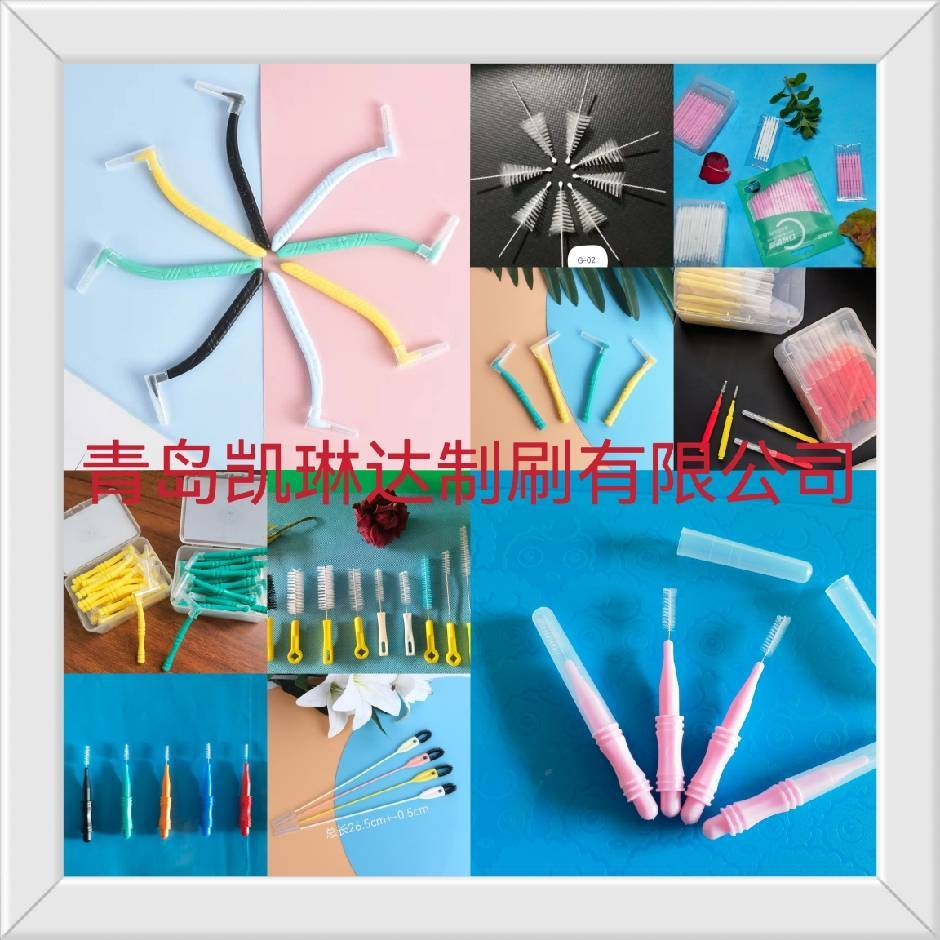

Bulk Straw Brush Exporter: How to Source Reliable Cleaning Supplies
2026-07-17
In the bustling world of cleaning supplies, finding a dependable bulk straw brush exporter can feel like searching for a needle in a haystack. Whether you're stocking up for a hotel chain or a growing eco-friendly brand, quality and consistency are non-negotiable. That’s where KLDZS steps in—not just as a supplier, but as a partner who understands the nitty-gritty of durable, well-crafted brushes. Let’s cut through the noise and uncover what truly matters when sourcing brushes that won’t let you down.
Understanding What Makes a Straw Brush Durable
Durability in a straw brush often comes down to how well the bristles are secured. Cheaper brushes tend to shed bristles after a few uses, leaving you with a frayed tool that no longer cleans effectively. Look for models where the bristles are tightly twisted or clamped into a sturdy wire core—this prevents them from pulling loose even when you're scrubbing stubborn residue inside narrow straws.
The material of both the bristles and the handle plays a huge role. Nylon bristles strike a great balance between stiffness and flexibility; they’re abrasive enough to remove gunk but won’t scratch your straws. Handles made from stainless steel resist rust and bending, unlike plastic ones that can snap or warp over time. A well-chosen material combination keeps the brush functional for months, not weeks.
Also, pay attention to the brush’s overall length and shape. A longer handle with a comfortable grip reduces the urge to apply too much pressure, which can cause premature wear. Some brushes come with a loop or a flexible neck that lets you reach curved areas without forcing the tool, minimising stress on the joints. These design details make a surprising difference in how long your brush actually lasts.
Spotting a Trustworthy Bulk Supplier Early On

It's not just about the price tag or the sample quality that lands on your desk. Real reliability reveals itself in the small, unpolished details—how quickly a question gets a straight answer, whether the product specification sheet matches the actual batch, and if the company seems genuinely bothered when you suggest a surprise check. A supplier that lets you tour the facility without a three-day notice is far more likely to be what they claim. Hesitation here is your most valuable tool; press gently where the answers grow vague, and watch what happens.
Documentation can be dressed up, but consistency can't be faked on a Tuesday morning. Ask for batch records from six months ago and see if they arrive without a fuss. Check if the certifications match the production lines you actually see, not the ones in the brochure. A trustworthy partner doesn't just hand you a pile of papers; they explain the hiccups they've had with certain shipments and how they fixed them without being asked. That kind of candor isn't a marketing tactic—it's woven into their daily grind.
Pay attention to how they handle small mismatches. A supplier that brushes off a minor discrepancy in weight or packaging today will likely shrug off a major one tomorrow. The ones worth keeping lean into problems, offering a clear timeline and a name to contact before you even ask. Their communication rhythm feels less like a sales pitch and more like a conversation with a colleague who has a stake in your success. Over time, you'll find that the real signal isn't in the glossy proposal, but in the afterthought: the supplier who remembers your quality concern from three calls ago and brings it up to show what's changed.
Material Choices That Affect Performance and Price
When selecting materials for a product, the raw substance often dictates both what the item can do and how much it costs to make. High-strength alloys, for instance, allow slimmer designs without sacrificing durability, yet they drive up manufacturing expenses due to specialized tooling. On the flip side, more common materials like standard steel or basic polymers keep budgets in check but may limit the product's lifespan or functional capabilities. The choice is never purely about unit price; it's a blend of engineering demands and market positioning.
Advanced composites and proprietary blends have blurred traditional cost-performance lines. Carbon-fiber-reinforced plastics, once reserved for aerospace, now appear in consumer goods because their weight savings can justify higher upfront expenditures through energy efficiency or improved user experience. However, the price tag can still be jarring for mass-market applications, pushing designers to consider hybrid solutions—using premium materials only in high-stress areas while relying on cheaper options for the rest. This strategic selective use helps manage cost without undermining overall product integrity.
Ultimately, the material palette you pick shapes not only the technical specs but also the perceived value. A product that feels flimsy undermines trust, even if it performs well, while one that's overly engineered might be priced out of reach. Savvy developers treat material selection as a holistic problem, weighing the long-term benefits of performance against the immediate sting of higher bills, and often settle on a custom synergy that hits the sweet spot for their target audience.
Customizing Brushes Without Sacrificing Quality
Many artists worry that tinkering with brush settings will lead to a drop in quality, but that’s not necessarily true. The trick lies in understanding how each parameter interacts with your stroke. Start with a solid base brush that already performs well for your needs, then make small, deliberate tweaks. For instance, adjusting the spacing or scatter just a few percentage points can add character without making the brush feel unpredictable or low-res.
Another effective approach is to layer subtle changes rather than relying on a single dramatic modification. Combine a slight texture overlay with a dynamic shape adjustment, and test constantly on a scratch canvas. This method lets you build complexity while retaining the responsive, crisp output of a high-quality brush. Remember, the goal is to enhance your artistic voice, not to fight against tool limitations.
Finally, don’t underestimate the power of saving and organizing your custom brushes into libraries. By creating a personal set that evolves with your workflow, you avoid the compromise of using generic defaults. Over time, these finely tuned brushes become second nature, allowing you to work faster without ever thinking about quality loss. It’s about creating a seamless extension of your hand.
Navigating Shipping and Logistics from Overseas
Bringing goods across continents involves more than just finding a carrier. It’s a layered process where every detail—from Incoterms to customs declarations—can mean the difference between a smooth delivery and a shipment stuck at port. The key is understanding that each link in the chain affects the next: the packing method determines handling costs, the chosen route impacts transit time, and the paperwork dictates clearance speed. Experienced importers know that cost savings aren’t just about the freight rate; they’re hidden in consolidation options, duty relief programs, and strategic warehouse placement.
One of the most overlooked aspects is the relationship between product characteristics and mode of transport. A slight change in packaging might allow sea freight where air was previously necessary, slashing expenses without jeopardizing deadlines. Similarly, building flexibility into your supply chain—like having backup routing through different ports or regional carriers—guards against disruptions that blanket announcements won’t warn you about until it’s too late. Real resilience comes from knowing the quirks of specific trade lanes, such as which European gateways clear electronics faster or where seasonal congestion hits hardest for agricultural goods.
Finally, never underestimate the value of local partnerships. A customs broker who understands not just the regulations but the local inspectors’ tendencies can prevent days of demurrage. Freight forwarders embedded in both the origin and destination markets can offer multimodal solutions that generic platforms miss—like pairing less-than-container loads with domestic rail connections to reach inland hubs. When you move beyond transactional logistics and into adaptive planning, shipping stops being a cost center and starts becoming a competitive lever.
Building a Long-Term Partnership with Your Exporter
Cultivating a lasting relationship with your exporter goes beyond signing contracts and exchanging emails. It requires a foundation of mutual trust, where both sides feel heard and valued. Start by treating your exporter as a strategic ally rather than a distant vendor—share your business goals, market insights, and even challenges openly. When they understand the bigger picture, they can align their processes and innovations with your long-term vision, leading to solutions that benefit both parties.
Consistency in communication is the glue that holds the partnership together. Beyond routine order updates, schedule regular check-ins to discuss upcoming trends, potential disruptions, or capacity planning. These conversations shouldn't revolve solely around immediate transactions; they should explore how you can grow together. When issues arise—which they inevitably will—approach them collaboratively rather than with blame. A partnership that has weathered difficult moments often emerges stronger, with deeper processes and clearer expectations.
Finally, invest in the human side of the relationship. Take time to visit their facility, understand their operational constraints, and meet the team behind the product. Small gestures like recognizing their efforts or accommodating their holidays can reinforce that you see them as people, not just a supply source. These shared experiences build a rapport that formal agreements can't replicate, creating a partnership that naturally adapts to changing market conditions and sustains itself through mutual loyalty.
FAQ
Focus on exporters with a transparent quality control process. Ask for material certifications and, if possible, request pre-production samples. A reliable supplier will be upfront about their manufacturing standards and happy to share details on bristle durability and handle construction.
Start with a small trial order to test both the product and the exporter's service. Also, check their business history, request client references, and read feedback from other importers. A dependable exporter will have a track record of on-time deliveries and consistent product quality.
Look for basic manufacturing certifications like ISO 9001 to indicate standardized processes. For cleaning tools, materials should meet safety standards relevant to your market, such as FDA or LFGB for food-contact items. Many reputable exporters will also have their own in-house testing reports available.
MOQs typically range from 1,000 to 10,000 units, depending on the exporter and customization needs. While initial MOQs are often firm, you might negotiate a lower quantity for a trial order by accepting a slightly higher per-unit cost. Clear communication about your long-term purchasing plans can also help.
Many exporters offer freight options, including sea or air shipping. It's smart to compare their in-house rates with those from independent freight forwarders. Don't forget to clarify who handles customs clearance and whether duties and taxes are included in the quoted price to avoid unexpected charges.
You can often customize bristle colors, handle materials, and packaging. Some exporters also allow for logo printing or private labeling. Be specific about your requirements during the inquiry stage, and always get a detailed spec sheet to avoid misunderstandings later.
Conclusion
Sourcing bulk straw brushes isn't just about grabbing the cheapest option from an online catalog. It starts with knowing what makes a brush last through hundreds of scrub sessions—bristle stiffness, handle grip, and resistance to rust or fraying. Without that foundation, even a well-intentioned purchase turns into a pile of useless plastic. Spotting a supplier who actually understands those material nuances is the real hurdle. Early on, you want someone who sends samples without hesitation, answers technical questions clearly, and doesn't dodge inquiries about factory conditions. Materials play a huge role here: nylon bristles might be gentle but wear down fast, while stainless steel handles offer longevity but bump up per-unit cost. The sweet spot often lies in custom blends—a supplier willing to tweak bristle density or swap components without demanding insane minimums. That flexibility is gold when you’re building a brand around durability, not just moving units.
Once you’ve nailed the product specs, the real grind begins: getting those brushes from their factory floor to your warehouse without hidden fees or month-long delays. Overseas logistics demand clear communication about Incoterms, packaging that survives rough transit, and contingency plans for customs hold-ups. A supplier who proactively updates you on shipment status, rather than waiting for you to chase them, is the kind you hold onto. Over time, that reliability transforms a simple transaction into an actual partnership—one where they understand your quality upgrades before you even ask and might reserve production capacity for your spikes. These relationships don’t just cut costs; they make sourcing predictable and innovation smoother, which matters more than any one-time deal when cleaning supplies are a recurring need for your clientele.
Contact Us
Contact Person: Caiju Zhang
Email: [email protected]
Tel/WhatsApp: +86 14763963294
Website: https://www.kldbrush.com