

Best Window Coverings to Transform Your Space with Style and Function
2026-08-26
There's a quiet tension in every well-designed room—the pull between craving bright, open light and needing privacy, shade, and energy efficiency. The best window coverings don't just resolve that tension; they turn it into a design statement. From sleek motorized rollers to beautifully textured shades, today's options deliver on both style and function in ways that basic blinds never could. If you're ready to rethink your windows, this guide walks through the top contenders, including standout solutions from ROLLERGY that prove covering a window can be as stylish as the view outside.
Use Layered Drapery to Add Depth and Soften Echoes
Thick velvet panels hung a few inches in front of sheer linen create a soft pocket of air that gently breaks up mid and high frequencies. This layering isn't just for looks—the varied fabric weights catch sound waves at slightly different distances, so a lively room with hardwood floors and tall ceilings loses its sharp, ringing quality without turning muffled.
A trick that works well in tall, boxy rooms is to choose curtains with deep, generous folds rather than flat Roman shades. Each fold acts like a miniature baffle, scattering reflections that would otherwise bounce straight back into the conversation area. For stubborn echoes near large windows, pair a heavy woven curtain with a lighter, loosely woven overlay; the gap between them adds an extra buffer zone that noticeably reduces flutter echo.
Placement matters as much as fabric choice. Hang the layered panels wider than the window frame so they cover a bit of adjacent wall—hard surfaces are often the real culprits behind echo. Let the fabric puddle slightly on the floor or stop just above a thick rug, and you'll find the room's overall acoustics feel calmer and more grounded, without any obvious acoustic treatment in sight.
Program Motorized Shades for Light That Shifts with Your Schedule
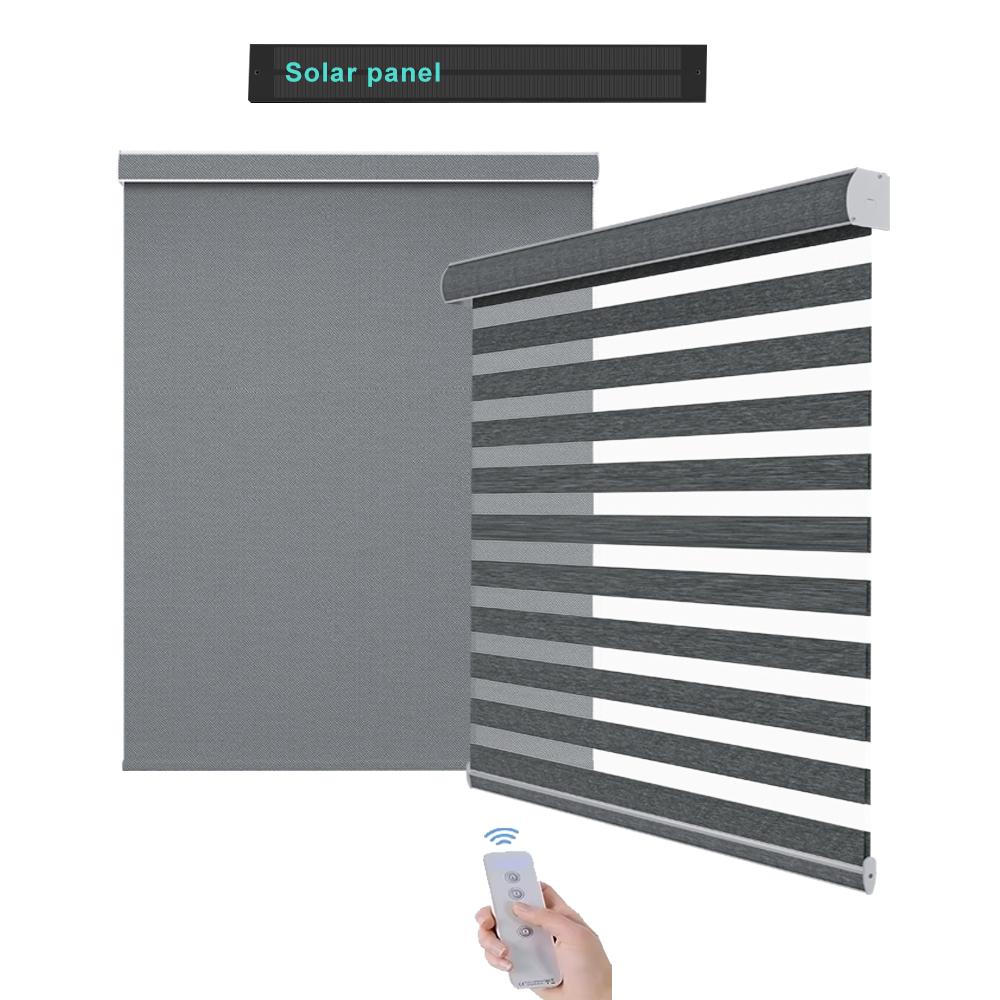
You don't need to be home to get the light right. Motorized shades can be set to follow your actual day—waking with a soft lift in the morning, dropping halfway during afternoon glare, and closing fully when the streetlights come on. If your schedule changes, the program changes with it, not the other way around.
The real payoff shows up in rooms that get hit hard by low-angle sun. Instead of manually tugging at cords between meetings or waking up to a wall of light on a Saturday, you can let the shades adjust in small increments while you focus on other things. It feels less like a gadget and more like the house finally paying attention.
Swap Heavy Curtains for Woven Woods and Watch the Room Breathe
Heavy curtains often swallow both daylight and the sense of space in a room. Swapping them for woven wood shades changes the equation almost immediately. Slatted bamboo, reeds, and grasses filter sunlight into a soft, dappled glow instead of blocking it out entirely. The room feels less boxed in, and corners that once sat in permanent shadow start to show their true proportions.
Woven woods also add a layer of organic texture that fabric panels rarely achieve. Because the material is natural and slightly irregular, each shade carries subtle variations in tone and weave. That imperfection keeps the window treatment from feeling too polished or hotel-like. It reads as handmade, which brings an easy, unforced warmth to living rooms, bedrooms, and even home offices.
The practical side holds up too. Woven wood shades are lighter than heavy drapes, easier to lift and lower, and they don't collect dust the way dense fabric does. When you want privacy, they provide it without turning the room into a cave. The result is a space that feels aired out and calm, as if the windows finally have permission to do their job.
Go Full Dark with Blackout Rollers for a Sleep-First Bedroom
Real darkness is the missing piece in most bedrooms. Blackout rollers don't just dim the light; they erase it. When you can't see your hand in front of your face at noon, your body stops guessing what time it is. That's when melatonin does its quiet work and sleep stops being a negotiation. No streetlight glow, no early sunrise sneaking through the blinds.
The trick is in the edges. Look for rollers with side channels or a fabric that sits flush against the window frame. Even a one-centimeter gap is enough to ruin the cave effect. And don't settle for "room-darkening" labels—check the actual light-blocking percentage. A true blackout roller should hit 99% or higher. Paired with a low-profile cassette, it feels like the window simply isn't there after sunset.
You'll notice the difference the first morning you wake up without a clock and can't tell if it's 5 a.m. or 9 a.m. That's the point. A sleep-first bedroom doesn't fight the light; it removes it from the equation entirely.
Hang Sheer Panels Where You Need Privacy Without Losing Light
Trading a clear view for privacy usually means dimming the room, but that's exactly where sheer panels earn their place. Mount them across a street-facing window or a glass door and they scatter direct sunlight into a soft wash that still brightens the floor. Unlike heavier drapes, they don't trap heat or make the space feel closed off at midday.
The trick is to match the panel's weave to your sightlines. In a bathroom or a ground-floor bedroom, choose a tighter polyester or linen blend that reads as a bright haze from outside while keeping shapes indistinct. For a kitchen pass-through or a dining nook, a looser open weave can work because the main goal is to soften the view, not fully mask it.
Hang them on a slim ceiling track or tension rod and let the fabric extend a few inches beyond the frame. That extra overlap stops side gaps that would otherwise reveal too much when the sun moves. If evening privacy matters, pair a single sheer layer with a low-profile roller blind behind it—pull the blind down after dark but leave the sheer in place so the window never looks bare.
Finish with a Cornice That Hides the Hardware and Adds a Focal Point
A well-chosen cornice does more than just frame the window—it quietly swallows the curtain rod, rings, and any mounting brackets that would otherwise draw the eye. The result is a clean, uninterrupted line from floor to ceiling, letting the fabric itself become the main event. Whether you opt for a sleek wooden box or a softly upholstered valance, the hardware disappears, leaving only the impression of effortless drapery.
Beyond concealment, a cornice adds architectural weight to the room. It anchors the window, giving it a deliberate presence that casual curtain rods rarely achieve. In spaces with high ceilings, an extended cornice can exaggerate vertical lines and make the entire wall feel more composed. You can play with proportion here—going wider than the window or extending the depth slightly—to create a subtle shadow line that adds depth without overwhelming the space.
When designing your cornice, think of it as a capstone rather than an afterthought. Paint it the same color as the trim for a seamless look, or introduce a contrasting tone or patterned fabric to turn it into a deliberate focal point. Even a simple MDF construction, finished with crisp corners and a smooth surface, reads as custom millwork. The goal is to make the window feel finished from every angle, so the eye lands on the drapery and the room, not the mechanics behind it.
FAQ
Start by figuring out what the room needs most—light control, privacy, or just visual warmth. Then match the covering to that, rather than defaulting to whatever's trendy. For example, sheer linen panels soften a reading nook without blocking the sun, while layered shades handle bedrooms better.
Not necessarily. It depends on the architecture. Floor-to-ceiling drapes can make a low ceiling feel taller, but sleek roller shades keep a minimalist room from looking cluttered. Mixing the two—like a woven blind with simple curtains—often gives you both texture and flexibility.
Go with light-filtering options that sit close to the glass, like cellular shades or sheer Roman shades. They maintain privacy without eating up wall space. If you still want softness, mount curtain rods a few inches above the frame and use pale, airy fabric to let light bounce around.
Choose the practical layer first, then add style on top. For a bedroom, a blackout roller shade can hide under tailored curtains or a valance. In a living room, honeycomb shades add insulation but can look plain—pair them with linen side panels for depth.
Try bamboo or matchstick blinds for natural texture, or cafe curtains on the lower half of a window for street-facing rooms. Shutters painted a color other than white—like deep green or warm gray—also add character without overwhelming the room.
Dust fabric panels monthly and vacuum shades with a brush attachment every couple of months. If you have allergies, wash curtains twice a year. Replace when they start looking limp, faded, or the cords no longer operate smoothly—usually every 5 to 8 years for well-made pieces.
Yes, mainly through proportion. Hanging curtains wider than the window and close to the ceiling draws the eye upward and lets in maximum light. Using one consistent neutral color across all coverings also creates a calm, custom look that reads as higher-end.
Ignoring the window's shape and placement. Arched or corner windows need special hardware or shades, and a standard curtain rod can end up looking awkward. Also, buying too-short panels that stop at the sill makes the whole wall feel truncated. Take measurements from the rod to the floor before shopping.
Conclusion
Few updates shift the feel of a room as quickly as the right window treatment. Layering drapery over a simple sheer or woven shade instantly adds visual depth, while also absorbing sound so conversations don't bounce around hard surfaces. If you prefer a more automated approach, motorized shades can be scheduled to open with morning light and close before the afternoon glare hits—no daily fussing required. Swapping out heavy curtains for woven woods brings a natural, airy texture that lets the room breathe without sacrificing privacy. For the bedroom, full blackout rollers keep sleep from being interrupted by streetlights or early sun, turning the space into a true rest retreat.
Where privacy matters but daylight still counts, sheer panels offer a soft filter that keeps interiors from feeling closed off. And to pull everything together, a cornice hides mounting hardware and creates a deliberate focal point that draws the eye upward. The best window coverings aren't just about blocking or letting in light—they shape the mood, define the architecture, and make daily routines feel a little more effortless. Choose a mix that fits how you actually live, and the whole room starts to feel more polished without a major renovation. It's a small change with a surprisingly large impact on comfort and style.
Contact Us
Contact Person: Vivien Cheng
Email: [email protected]
Tel/WhatsApp: +86 13751758835
Website: https://www.rollergytech.com/