

Bathroom Shelves Manufacturer How to Choose the Right One for Your Home
2026-09-11
Choosing the right bathroom shelves manufacturer is more than just picking a product—it's about finding a partner who understands your space, durability needs, and design taste. With so many options flooding the market, how do you know who to trust? That's where Peak Fasten comes in, setting a standard worth exploring before you make your decision.
Check How They Handle Moisture-Prone Bathroom Conditions
Bathrooms deal with constant temperature swings, steam, and standing water, so the way a product handles these conditions tells you a lot about its real-world durability. Instead of just glancing at the spec sheet, look for signs that the manufacturer has thought through moisture exposure. For instance, check whether edges are sealed against water ingress, if the core material resists swelling, and whether the surface coating can handle repeated wiping with damp cloths. These details often separate a product that looks good in a showroom from one that still performs after years of daily showers.
Another practical step is to ask for specific examples of how the product was tested in humid or wet environments. Some companies rely on generic claims like 'moisture resistant' without offering any meaningful evidence. Pay attention to whether they mention things like exposure time, humidity levels, or the type of water contact involved. If a brand is vague about testing, that's often a red flag. You can also look at smaller design choices: open seams, exposed raw edges, or hardware that isn't stainless or coated all invite long-term problems in a bathroom setting.
Finally, consider how the product is meant to be maintained in a bathroom. A finish that needs special cleaners or frequent resealing may not be practical for a space where water is part of daily life. The best options usually feature low-maintenance surfaces that dry quickly and resist mildew without extra effort. When comparing products, imagine them after a year of morning steam and nighttime humidity, not just on day one. That shift in perspective helps you see whether a company truly understands moisture-prone conditions or simply markets to them.
Ask About Custom Sizing Before You Settle for Standard Units
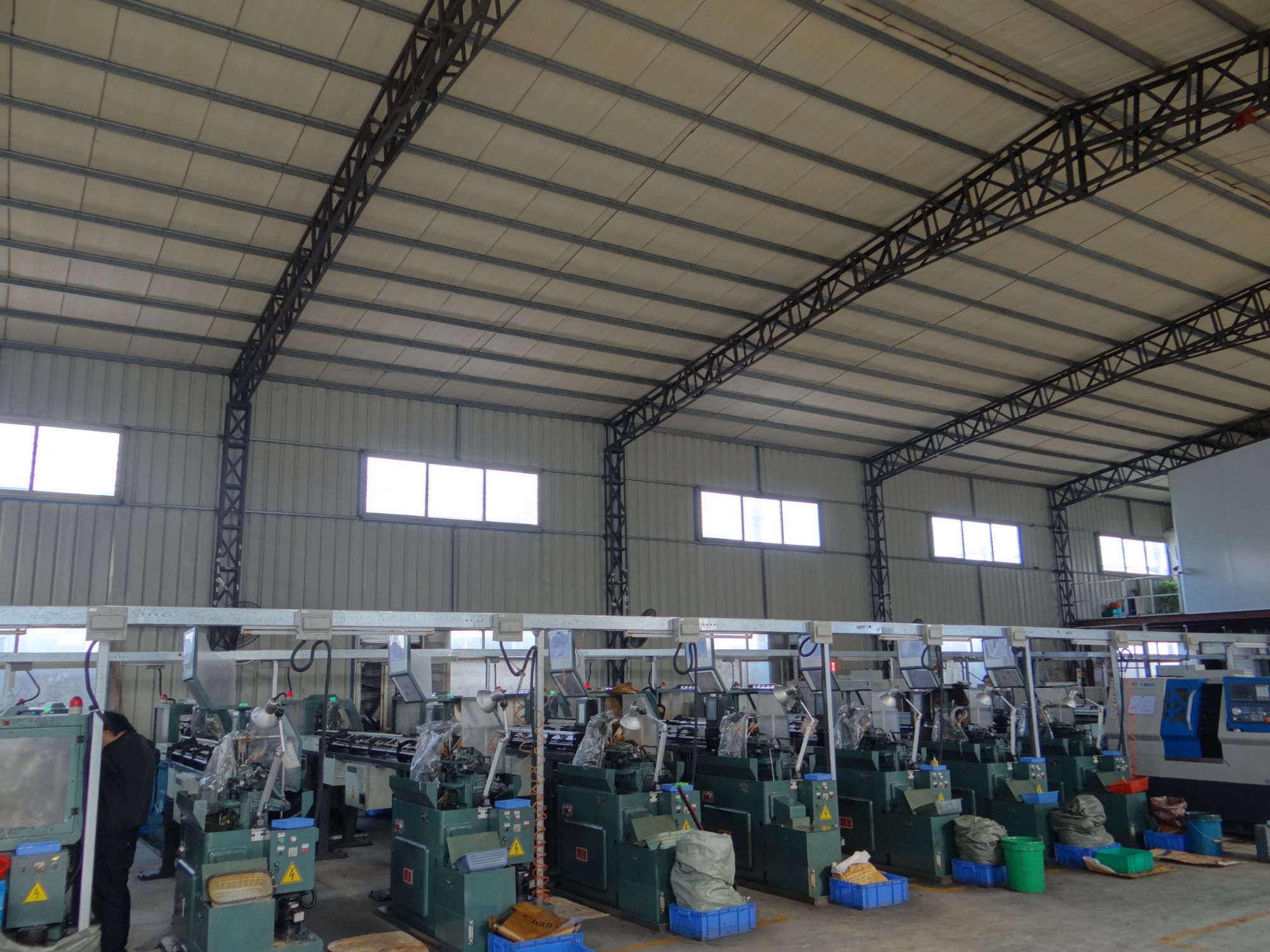
Many buyers assume that off-the-shelf dimensions will work for every space, but that mindset often leads to awkward gaps or cramped clearances. When you ask about custom sizing early in the process, you open up possibilities that standard catalogs simply cannot match. A reputable manufacturer will walk you through adjustable parameters—whether it's a few extra inches of depth, a narrower width to fit a tight corner, or a taller profile to align with existing cabinetry. This conversation not only prevents costly installation surprises but also ensures the final piece feels like it was designed for your exact room, not just dropped in.
Custom sizing doesn't have to mean a dramatic price jump or months of waiting. In fact, many workshops build to order as their default, meaning a modified dimension might only add a few days to the lead time. The real difference shows up in how the unit performs: a desk that accommodates your monitor arm without overhang, a shelving system that uses every vertical inch of a sloped ceiling, or a media console that aligns perfectly with wall studs for hidden cable routing. These are the details you only discover when you ask, "Can we adjust the height by two inches?" before placing the order.
If you're unsure where to start, measure your space twice and note any obstacles like baseboards, vents, or light switches. Then bring those numbers to the conversation. Skilled makers appreciate clients who come prepared with real constraints—it gives them a creative problem to solve rather than a generic order to fill. You might learn that a standard width can be kept but the depth should shrink by an inch, or that a modular configuration offers more flexibility than a single large piece. The key is to treat sizing as a dialogue, not a checkbox, and you'll end up with a unit that feels custom-tailored without the custom-made price tag.
Look Beyond Powder Coating to What's Underneath
A smooth, even coat of powder can look impressive on day one. But the real story starts before that layer ever goes on—how the metal was cleaned, etched, and sealed. If oils, mill scale, or old rust are left behind, the powder simply sits on top of them. Eventually moisture finds its way in, and the coating lifts in sheets or starts to bubble at the edges.
The substrate itself matters just as much as the prep. Aluminum and steel hold a conversion coating differently; a quick rinse might work for one but leave the other vulnerable. Look closely at welds, sharp corners, and inside channels. Those are the places where surface profile gets uneven and where powder tends to pull thin or fail first under thermal stress.
Before trusting a finish, ask how the parts are handled between blasting and coating. Fingerprints, shop dust, or even a change in humidity can weaken adhesion. A thick layer won't compensate for a weak boundary underneath. When the hidden work is done right, the powder doesn't need to be thick to last—it just needs something clean and solid to grab onto.
Find Out If Installation Hardware Comes Included or Costs Extra
Installation hardware isn't always a given. While some products ship with every screw, bracket, and anchor you'll need, others expect you to source those bits yourself. A quick scan of the product page often reveals the truth, but don't be surprised if the details are buried in a spec sheet or a footnote.
When the listing doesn't spell it out, your safest move is to check the "what's in the box" section or reach out to the seller directly. A two-minute email can save you from a frustrating afternoon spent hunting for a matching bolt at the hardware store. Some brands also sell installation kits separately, so factor that into your total cost before you click buy.
If you'd rather avoid the gamble, look for products that explicitly state "all mounting hardware included" in the description. That phrase usually means you won't need a surprise trip to the store, though it's still worth verifying whether wall anchors or specialty tools are part of the package or left to you.
See What Real Homeowners Say About Long-Term Durability
It's one thing to read spec sheets, but homeowners who've lived with these materials for five, ten, even fifteen years paint a clearer picture. Take Maria from Austin, who installed her countertops right before a massive kitchen remodel. "I expected some wear by now," she says, "but after three years of daily cooking, hot pans, and two kids doing homework on the island, it still looks like the day it was installed." That kind of feedback keeps coming up.
Durability isn't just about scratches either. Homeowners in humid climates like Florida and Louisiana report no warping, no staining, and no fading even with constant exposure to moisture and sunlight. One couple in New Orleans mentioned their outdoor kitchen surfaces survived Hurricane Ida's aftermath without a single crack, while their old wood deck had to be replaced.
The real test is time, and the reviews back it up. People who bought a decade ago often say they'd choose the same product again without hesitation. That repeat-buyer confidence says more than any warranty card ever could.
Don't Ignore Lead Times and Shipping Protection
Lead times often get buried in product pages or checkout screens, yet they’re the difference between a well-timed delivery and a frustrating wait. When comparing options, look beyond the advertised dispatch window—factor in weekends, customs clearance if it’s cross-border, and the carrier’s track record during peak periods. A slightly longer lead time with a reliable courier can beat a shorter estimate that slips.
Shipping protection is another detail that’s easy to skip until something arrives dented or missing. Check whether the seller or platform includes basic coverage, and weigh the cost of additional insurance against the item’s value and fragility. For electronics, glassware, or high-ticket orders, paying a little extra for protection often saves you from chasing refunds later.
Before clicking the buy button, take thirty seconds to review both the expected arrival window and what happens if the package is lost or damaged in transit. That quick check makes the whole buying experience smoother, and you won’t be left guessing when a delay or breakage occurs.
FAQ
Look at the materials they work with. Solid brass, marine-grade stainless steel, or powder-coated aluminum hold up far better in damp bathrooms than flimsy chrome-plated plastic. Ask for samples and run them under water for a week if you can—cheap coatings bubble fast.
Ask about salt-spray testing or check if they offer finishes rated for high-moisture rooms. A manufacturer that mentions anodized aluminum or electroplated stainless steel is usually paying attention to corrosion. If they avoid the question, walk away.
Yes, and that's where a good manufacturer shows value. Look for one that doesn't just offer standard sizes but will cut to tight dimensions or suggest floating corner units. If they ask for your wall measurements before quoting, you're in better hands.
The way they handle details like edge finishing, hidden mounting hardware, and load testing. Great ones will tell you the safe weight limit per shelf and include wall anchors tested for drywall or tile, not just ship you a plank of wood.
Usually, yes. A clear guide with drilling templates and leveling tips prevents tilted shelves and cracked tiles. Some manufacturers even mark the exact stud positions. That extra clarity often saves more money than it costs.
Ask if the shelves are made to order or stocked. Custom powder coating can add two to three weeks. Also ask how they handle partial shipments—some manufacturers will send brackets first so you can prep the wall while shelves are still in production.
Request a cross-section or cut sample. You'll see the thickness of the metal and whether the finish is plated or just painted. If they won't provide that, buyer beware. Also check if hardware is stainless or zinc—zinc rusts faster in showers.
Look for manufacturers that offer tension-mounted or adhesive-mounted systems rated for your wall type. Ask for weight ratings with adhesive tape—some can hold 15 pounds or more when applied to smooth tile. Skip anyone who promises no damage without a rated weight limit.
Conclusion
Selecting a bathroom shelf manufacturer starts with understanding how their products react to constant humidity and splashes. Ask specifically about the base metal and any rust-proofing treatment applied before the final finish, because a pretty powder coat can hide cheap steel that starts blistering within a year. If your wall space is awkward or you want a shelf to fit a specific alcove, don't settle for off-the-shelf dimensions—many smaller workshops will happily cut or weld to your measurements for a modest fee, while larger factories may not. Also check whether the price includes brackets, anchors, and screws; some brands advertise a low shelf price but then charge separately for mounting kits, which can add up fast.
Real-world feedback matters more than glossy photos. Look for reviews that mention long-term use, especially in bathrooms without good ventilation, and note any complaints about wobbly brackets or finish wear after eighteen months. Finally, ask about current lead times and how the shelf will be packaged for shipping; a well-protected unit with foam and corner guards is a sign the manufacturer cares about the product arriving intact. A manufacturer that is upfront about these details—moisture protection, custom sizing, base material, included hardware, durability reports, and delivery care—is far more likely to be worth your money than one that hides behind vague claims.
Contact Us
Contact Person: Mason Lv
Email: [email protected]
Tel/WhatsApp: +86 13027998452
Website: https://www.peakfastentech.com