

Alkaline Wastewater Treatment System Services for Concrete Batching Plants
2026-07-21
Managing alkaline wastewater is a stubborn challenge for concrete batching plants, where high pH runoff can harm the environment and attract regulatory penalties. At Sinou, we’ve engineered a treatment system that turns this compliance headache into a seamless, cost-saving process. Discover how our tailored solutions keep your operations clean, efficient, and ahead of standards.
Tailored pH Adjustment Systems for Your Plant
Every industrial facility has its own water chemistry fingerprint, influenced by raw materials, process design, and discharge regulations. Off-the-shelf pH correction solutions rarely account for these nuances, leading to inefficient chemical consumption, unstable effluent quality, or maintenance headaches. Our approach begins with a deep-dive into your process flow—mapping peak loads, buffering capacities, and seasonal shifts—to engineer a system that feels like a natural extension of your plant, not a retrofit.
We design around real-world variability, not idealized steady states. Whether your challenge lies in rapid pH swings from batch dumps, high solids that foul standard probes, or the need to hit narrow compliance windows around the clock, the hardware and control logic are configured to match. This might mean multi-stage neutralization with adaptive dosing, specialized mixing geometries to prevent dead zones, or sensor arrays placed where they actually represent the true blend. The goal is a system that self-adjusts to production cadence without constant operator intervention.
Beyond the technical specs, we focus on long-term ownership. Components are chosen for chemical compatibility and easy service access, and the automation platform provides transparency into every dosing event. You won’t find black-box algorithms that drift or leave you guessing when performance deviates. Instead, we build in diagnostic visibility and straightforward calibration routines, so your crew can keep the system dialed in with minimal training. It’s about delivering a pH adjustment solution that stays relevant as your operations evolve, without becoming a drain on your maintenance budget.
On-Site Water Analysis and Process Design
Bringing water testing directly to the field transforms how we approach treatment challenges. Instead of waiting for lab results, engineers and technicians can make immediate decisions based on real-time data. This hands-on approach minimizes delays and allows for adjustments that reflect the actual conditions of the source water, not just what a preserved sample might show hours later.
The design of treatment processes benefits enormously when informed by on-site analysis. Parameters like pH, turbidity, and dissolved oxygen can fluctuate within minutes, and integrating portable sensors or test kits into the workflow ensures that the chosen technology—whether filtration, chemical dosing, or biological treatment—is tailored precisely to the current water chemistry. This flexibility leads to more resilient systems that can handle seasonal or event-driven changes without costly overdesign.
A practical on-site strategy often combines rapid field tests with a streamlined decision matrix. By mapping analytical results directly to process adjustments, teams shorten the feedback loop between observation and action. The result is not just a treatment plant that works on paper, but a dynamic operation that evolves with the water it treats, delivering consistent quality while reducing chemical and energy consumption.
Compact Treatment Units That Fit Existing Footprints
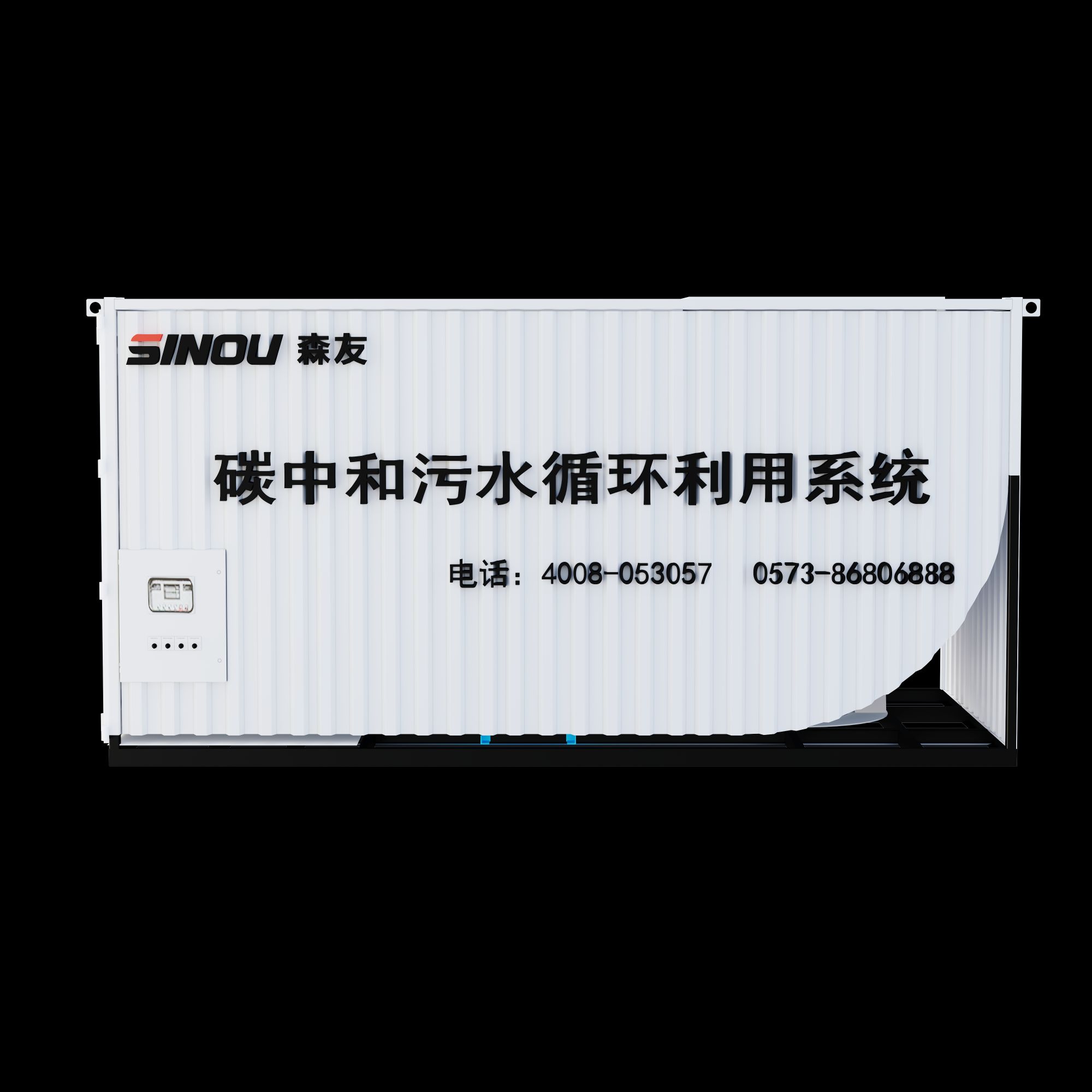
Many facilities face the challenge of upgrading treatment capacity without the luxury of expanding their physical footprint. Compact treatment units offer a practical solution by squeezing more processing power into the same space. These systems are engineered to slot directly into existing layouts, often matching the connection points and flow paths of older equipment. This approach eliminates the need for costly civil works and lengthy construction shutdowns, allowing plants to modernize with minimal disruption.
Modern compact units achieve their small size through clever design choices—stacked processing stages, high-efficiency media, and integrated controls that reduce auxiliary hardware. Some models employ vertical flow paths or layered settling zones to handle the same flow volumes in a fraction of the area. The result is a system that not only fits but also delivers equal or better treatment performance than its larger predecessors. Operators can often retain the same building, pipe racks, and access routes, making the swap almost plug‑and‑play.
This kind of retrofitting is particularly valuable in urban treatment plants, industrial sites, or remote installations where real estate is at a premium. By reusing the existing footprint, projects avoid permitting delays tied to land use changes and keep total installed costs down. A compact unit can turn a leftover corner into a viable treatment stage, or replace an entire obsolete line without moving a wall. In many cases, the conversion can be phased, bringing new capacity online while the old system remains in service, which maintains compliance and revenue streams throughout the transition.
Automated Neutralization for 24/7 Operation
Around-the-clock threat response hinges on systems that don't wait for human approval. When an alert fires at 3 a.m., the platform instantly correlates the event with asset criticality, user context, and threat intelligence feeds. Within seconds, containment actions kick in — isolating the affected endpoint, revoking suspicious sessions, and blocking malicious domains — all without waking the on-call team. The goal isn't to replace analysts but to handle the repetitive, high-volume incidents so they can focus on what truly demands a human mind.
Precision matters as much as pace. Before taking action, the engine performs a layered verification: checking for false positives, evaluating the blast radius, and confirming that the neutralization steps align with compliance boundaries. If an anomaly matches a known attack pattern with high confidence, the response is swift and surgical. For ambiguous cases, it gathers forensic snapshots and escalates with a detailed brief, ensuring the transition to manual review is seamless rather than frantic.
The real advantage shows in sustained operations. During long weekends or holiday lulls, when staffing is thin, automated neutralization keeps the security posture consistent. It learns from each incident — adjusting thresholds, refining playbooks, and feeding new indicators back into the detection pipeline. Over time, the system tightens its own tolerances, reducing noise and accelerating responses without drifting into overblocking. That self-adjusting loop is what turns a reactive tool into a quiet, reliable partner that works the night shift indefinitely.
Sludge Management and Dewatering Solutions
Effective sludge management is more than just disposal—it’s about turning a waste challenge into a resource opportunity. Modern dewatering techniques, from advanced centrifuges to screw presses, reduce volume dramatically while recovering valuable water for reuse. Facilities that integrate real-time analytics into their systems can optimize polymer dosing and energy consumption, slashing operational costs without compromising efficiency.
Every sludge stream tells a different story, so a one-size-fits-all approach rarely works. Tailored solutions begin with a detailed characterization of the solids, then match the right mechanical or thermal technology to achieve the target dryness. The result: a cake-like material that’s easier to transport, lower in pathogens, and ready for beneficial use in agriculture or energy recovery.
Regulatory Compliance Support Without the Headaches
Navigating the maze of ever-changing regulations doesn't have to consume your team's time or sanity. Our approach cuts through the noise, offering clear, actionable guidance that aligns with your specific industry and operational realities. Instead of drowning in generic checklists, you get a practical roadmap designed to keep you confidently compliant while you focus on what you do best.
What sets us apart is the human touch behind every recommendation. We don't just throw regulatory texts at you and hope for the best. Our specialists translate complex legal jargon into plain English, helping you understand not only what is required but also why it matters. This empowers your team to internalize compliance as part of your culture, reducing the risk of oversights that automated tools often miss.
And when the regulatory landscape shifts—as it always does—you won't be caught off guard. We provide proactive updates and ongoing support that evolve with your business, so compliance becomes a seamless thread in your operations rather than a recurring headache. It's about giving you the freedom to innovate and grow, knowing that the compliance piece is handled with precision and care.
FAQ
Alkaline wastewater is generated when fresh concrete residues mix with water during equipment washing, truck cleaning, or runoff at batching plants. It has a high pH, often between 11 and 13, due to dissolved calcium hydroxide and other cementitious compounds. If discharged untreated, it can harm aquatic life, corrode infrastructure, contaminate soil, and violate environmental regulations. Special treatment neutralizes the pH and removes suspended solids so the water can be safely reused or discharged.
Rather than relying solely on acid dosing or single-stage settling, our approach integrates automated real-time pH monitoring with a multi-chamber reaction and clarification sequence. We use carbon dioxide sparging combined with lamella plate settlers, which accelerates neutralization and produces denser sludge with less chemical consumption. The system adapts dosage based on flow and pH variability, reducing operator intervention and improving consistency.
Absolutely. Treated water can be recycled for truck washdown, dust suppression, or even as mix water in new concrete batches, provided it meets quality specifications. The main limitation is salt buildup over repeated cycles, so we incorporate conductivity control and periodic blowdown. We also recommend storage and blending strategies to prevent any impact on concrete strength or setting time.
The process generates a calcium-rich sludge that, after dewatering, resembles a fine, non-hazardous mineral solid. We offer filter press or decanter centrifuge options to reduce volume and moisture content. The resulting cake can often be repurposed as a soil conditioner, landfill cover, or even incorporated into low-strength concrete products, turning a waste into a resource and minimizing disposal costs.
We’ve designed modular treatment units that scale from small ready-mix operations producing 50 cubic meters per day to large central-mix plants exceeding 500 cubic meters per day. By combining parallel treatment trains and buffer storage, we can handle variable wastewater surges without compromising effluent quality. The system footprint is compact enough to fit within tight existing sites.
We provide initial operator training, detailed manuals, and a preventive maintenance schedule. Most routine tasks—like sensor cleaning and pump checks—take less than 30 minutes per week. We also offer remote monitoring packages where our team tracks performance trends, alerts your staff to anomalies, and arranges on-site servicing when needed, so you avoid unexpected downtime.
Our designs include equalization tanks with level-triggered treatment modes and stormwater diversion valves. During high-flow periods, the system automatically shifts to a rapid-response cycle while maintaining pH targets. If volumes exceed design limits, a controlled bypass and storage option prevents overwhelm, and the controller prioritizes treatment based on real-time tank levels.
We contractually commit to meeting local discharge limits for pH (typically 6–9), total suspended solids, and, where applicable, chemical oxygen demand. During commissioning, we run side-by-side split samples with accredited labs to verify performance. Ongoing compliance is supported by automatic data logging, and we provide remote access to reports so you have audit-ready documentation at any time.
Conclusion
Managing highly alkaline wastewater from concrete batching plants requires more than a one-size-fits-all approach, which is why we focus on tailored pH adjustment systems that account for your specific mix designs, washdown patterns, and discharge limits. Our process kicks off with on-site water analysis, allowing us to design a treatment train that precisely neutralizes elevated pH while handling variable flow rates. We then integrate compact treatment units that slide into your existing layout without disrupting production—no costly expansions required. Inside these units, automated neutralization runs continuously, using real-time pH monitoring and self-adjusting dosing pumps to keep effluent within target range 24/7, even during off-hours or peak demand.
Beyond neutralization, we address the full waste stream by incorporating sludge management and dewatering solutions that transform alkaline slurry into stackable solids, reducing haul-off volumes and simplifying disposal logistics. Throughout the process, we provide regulatory compliance support that cuts through the red tape: from permit-ready documentation to sampling protocols that demonstrate consistent discharge quality. By combining chemical, mechanical, and administrative expertise, our service takes the guesswork out of alkaline wastewater treatment, letting plant operators meet environmental obligations without diverting focus from production. The result is a cleaner, more predictable treatment cycle that keeps your site compliant and your team free from compliance headaches.
Contact Us
Contact Person: HaiYan
Email: [email protected]
Tel/WhatsApp: +86 18957325588
Website: https://www.senyoubeton.com/